Purchasing fine jewellery is one of life’s most memorable and meaningful investments. Whether it’s a pair of heirloom earrings, a diamond pendant, or one of the many exquisite Engagement Rings available in Cape Town, these pieces carry both financial and emotional value.
That’s why protecting them is essential. Jewellery insurance isn’t just for rare collectors or wealthy investors—it’s for anyone who wants peace of mind knowing their most treasured pieces are safeguarded against the unexpected.
Here are seven practical jewellery insurance tips every Cape Town buyer should know.
1. Get Insurance Immediately After Purchase

The moment your new diamond ring or pendant leaves the boutique, it’s at risk. From accidental loss to theft, anything can happen. Waiting weeks or months to arrange insurance leaves you vulnerable—and claims won’t cover incidents that occur before the policy is in place.
Tip: Arrange coverage as soon as you purchase your jewellery, ideally on the same day. Many insurers will accept the initial receipt and valuation provided by reputable jewellers like Prins & Prins.
2. Choose the Right Insurance Policy
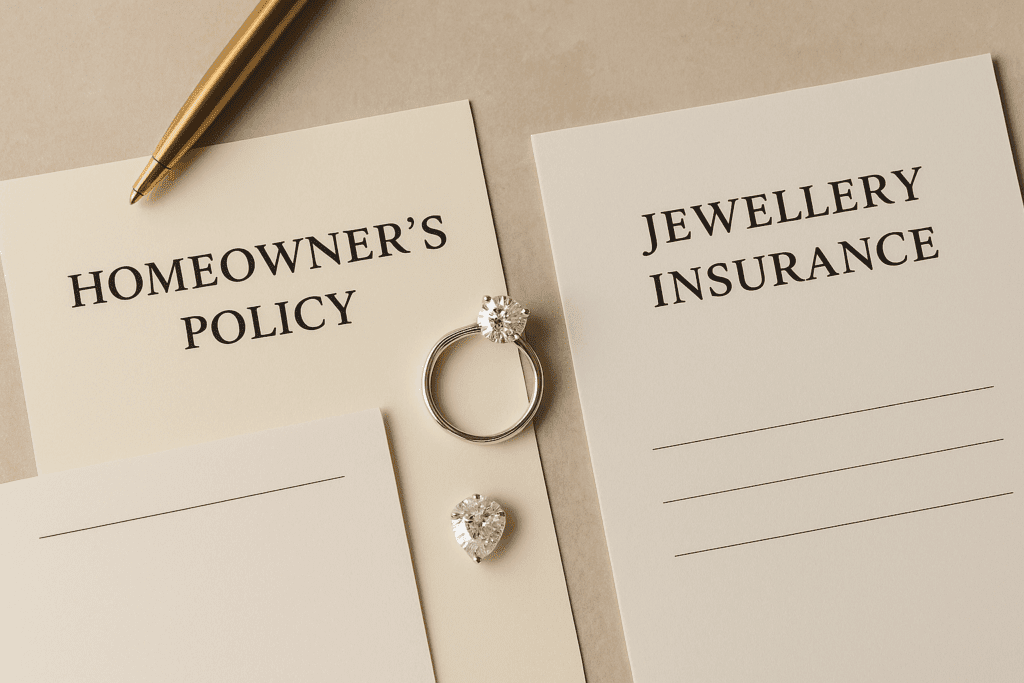
Not all jewellery insurance is created equal. Some buyers choose to add items to their homeowner’s or renter’s insurance, while others prefer a specialised jewellery policy.
- Homeowner’s/Renter’s Policy: Convenient but may have lower limits and higher excess fees.
- Dedicated Jewellery Insurance: Often provides broader coverage for loss, theft, damage, and even mysterious disappearance, with fewer restrictions.
Ask your insurer which option best suits your lifestyle and collection.
3. Understand Your Coverage

Many buyers assume their policy covers “everything,” but that’s rarely the case.
- Does your policy include damage as well as theft?
- Are you covered for loss abroad when travelling?
- Does it cover situations like a stone coming loose from its setting?
Reading the fine print—or better yet, discussing it with your broker—ensures there are no surprises later.
4. Keep Documentation Safe
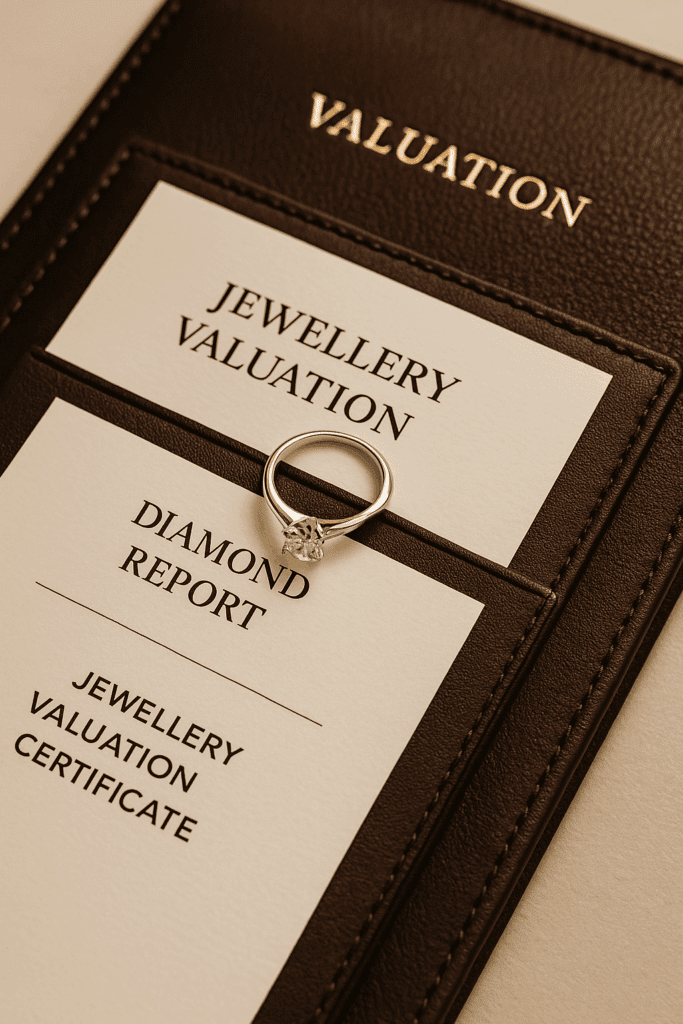
Your receipts, valuations, and certificates aren’t just nice to have—they’re essential for any insurance claim.
- Store purchase receipts and any grading reports (such as GIA certificates for diamonds) in a safe place.
- Digital copies are useful, but physical copies should be protected in a secure location like a home safe or safety deposit box.
Good documentation speeds up claims and ensures accurate replacement values.
5. Schedule Regular Revaluations

Jewellery values aren’t fixed—they can fluctuate over time, especially with items like diamond engagement rings, where market prices for diamonds and gold may rise.
Why it matters: If your jewellery has appreciated in value but your insurance hasn’t been updated, you could receive less than it’s worth if you make a claim.Tip: Have your pieces revalued every two to three years by a qualified jeweller. Prins & Prins can provide updated valuations and certificates recognised by insurers.
6. Know the Claims Process Before You Need It
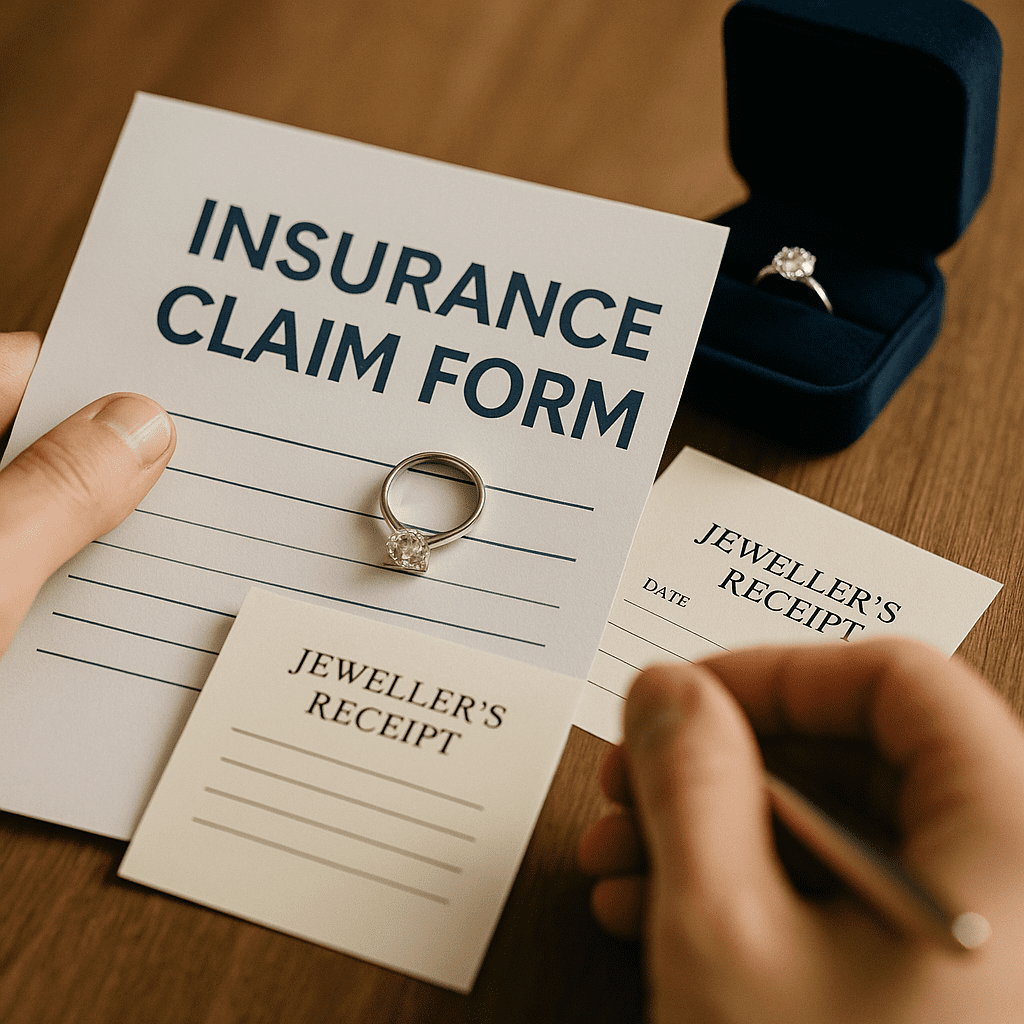
The last time you want to learn about your insurer’s claim requirements is when you’re already stressed about a loss.
- Ask your insurer what documentation will be needed.
- Understand whether you’ll receive a cash payout, a replacement, or store credit.
Clarify whether you can choose your replacement jeweller (many buyers prefer returning to trusted jewellers like Prins & Prins).
7. Travel Smart with Jewellery
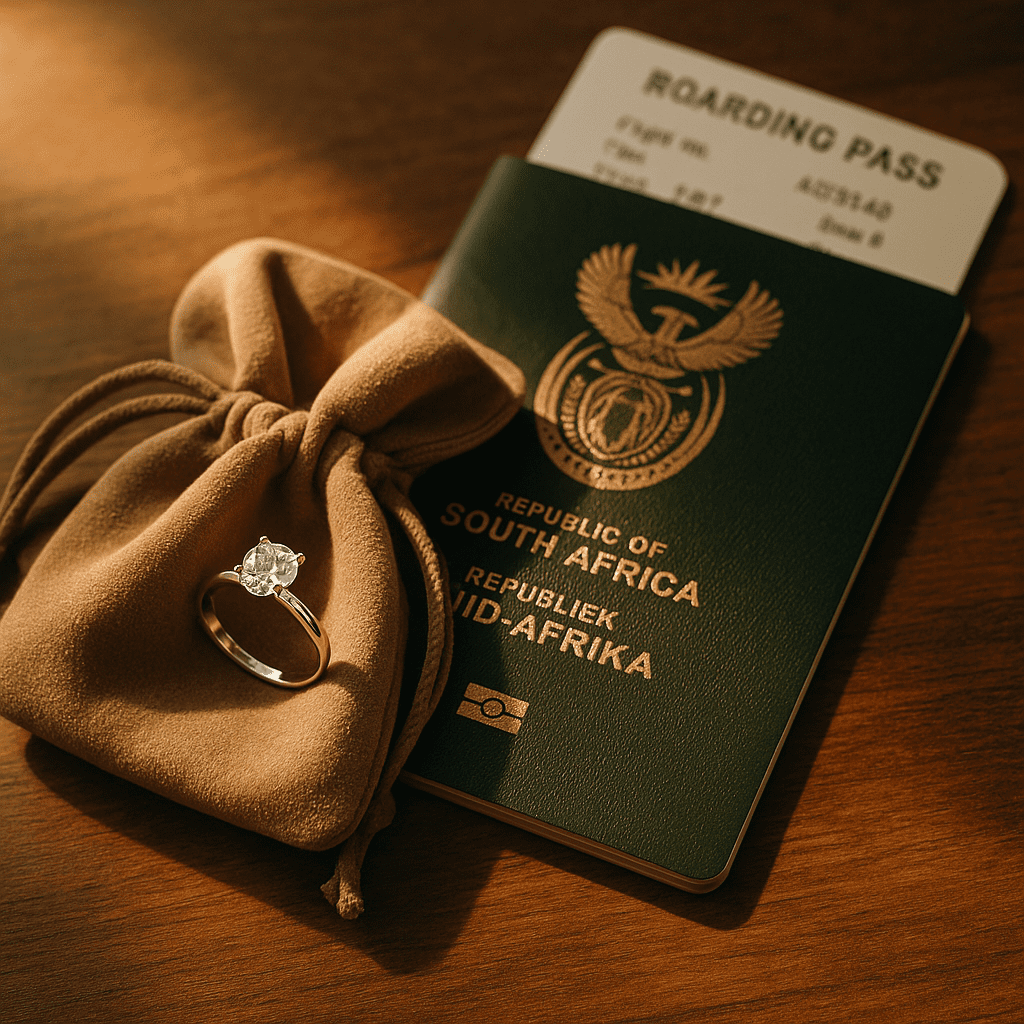
Cape Town is a hub for both local buyers and international tourists, which means jewellery is often on the move.
- Confirm that your insurance covers travel—both domestic and international.
- If travelling abroad, carry proof of ownership to avoid customs issues.
- Store jewellery in a secure travel pouch or hotel safe when not worn.
For tourists who purchase Engagement Rings or other high-value pieces while visiting Cape Town, this tip is especially important.
Conclusion – Protecting Your Most Precious Pieces
From sparkling diamond engagement rings to heirloom-worthy pendants, your jewellery is an investment in love, memory, and craftsmanship. Ensuring it’s properly protected means you can enjoy it for decades to come, with peace of mind that it’s safeguarded against life’s uncertainties.
At Prins & Prins, we believe your jewellery journey doesn’t end at the counter—it’s just the beginning. Whether you’re buying your first diamond ring or adding to a cherished collection, we invite you to explore our exquisite range of Engagement Rings and let us guide you in valuing and protecting your treasures for generations to come.