Diamonds and gemstones have fascinated humanity for centuries, inspiring legends, shaping cultures, and symbolising love, power, and wealth. But with this fascination comes a host of myths and misconceptions—some harmless, others misleading. At Prins & Prins Diamonds in Cape Town, our gemmologists, with their extensive knowledge and experience, often hear these myths from clients, and part of our role is to separate fact from fiction, ensuring you make informed decisions.
In this article, we’ll explore the top 10 myths about diamonds and gemstones, revealing the truth behind the sparkle.
Myth 1: Diamonds Are Indestructible
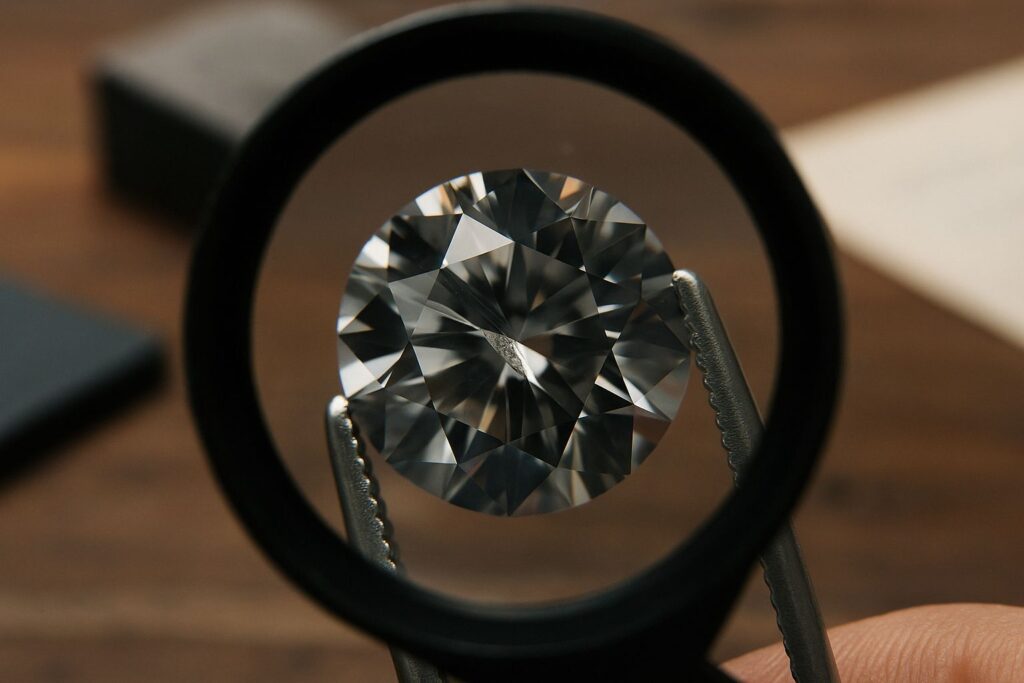
Diamonds are indeed the most rigid natural material on Earth, ranking 10 on the Mohs scale of hardness. But hardness is not the same as toughness. A diamond can chip or fracture if struck at the right angle, especially along its natural planes of weakness. This is why proper setting and careful handling are essential.
Myth 2: Bigger Diamonds Are Always Better
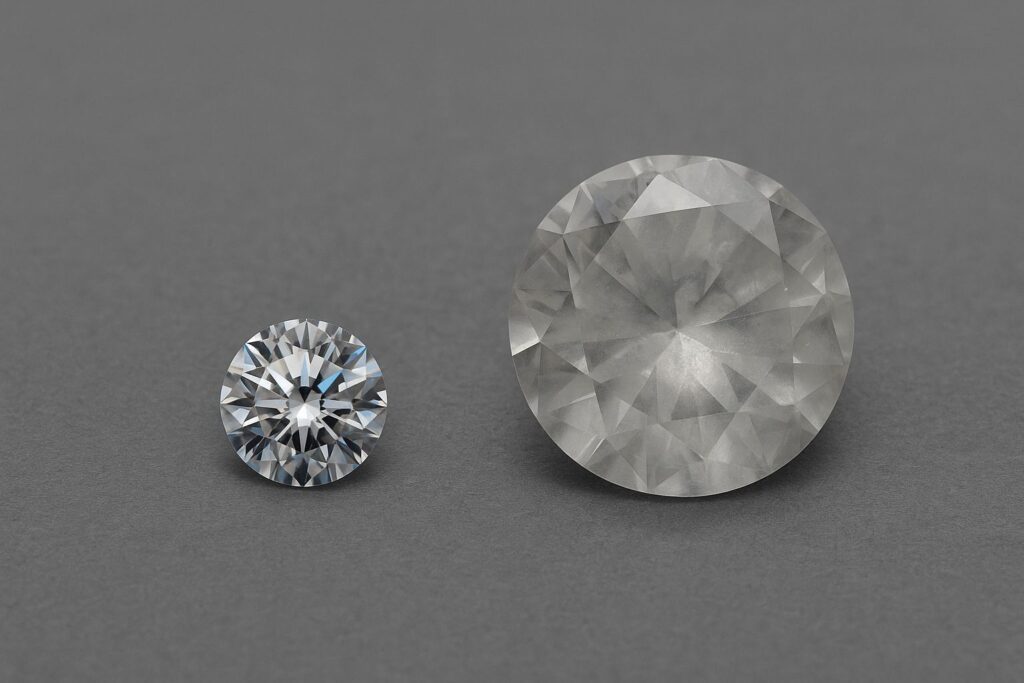
Size may catch the eye, but true beauty lies in balance. A well-cut diamond, even at a modest size, will outshine a poorly cut larger one. Cut, colour, clarity, and certification matter as much—if not more—than carat weight. That’s why choosing certified diamonds in Cape Town ensures you’re getting genuine quality.
Myth 3: All Gemstones Are Rare
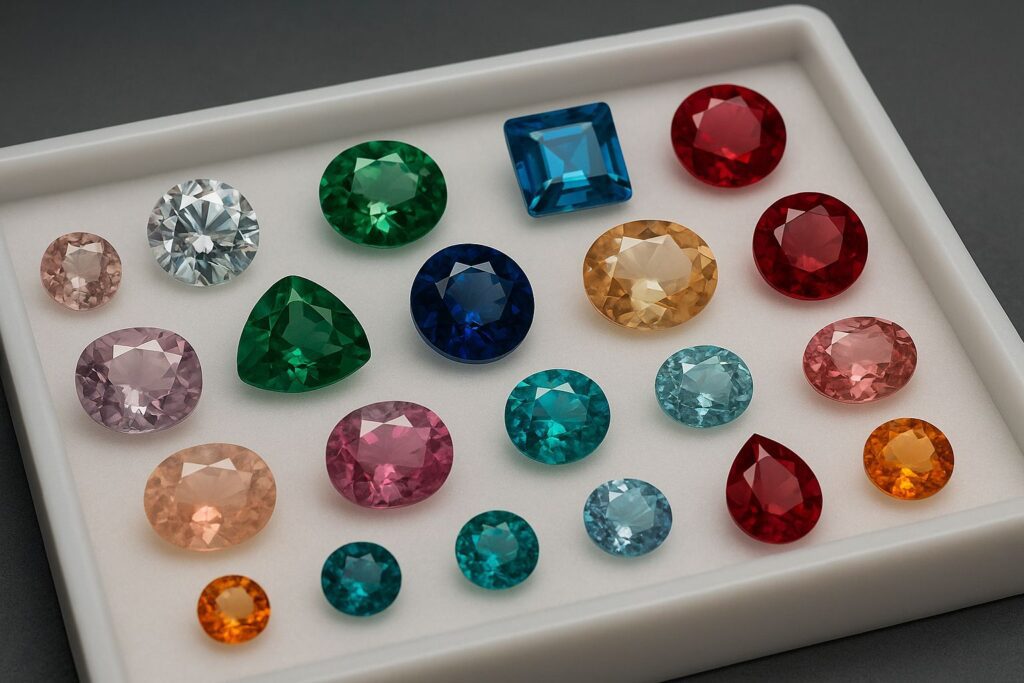
Not all gemstones are created equal. Diamonds, while rare in top-quality grades, are more widely available than certain coloured gems such as alexandrite, spinel, or fine-quality tanzanite. Rarity depends on natural supply, mining challenges, and demand. At Prins & Prins, our gemologists guide clients through these distinctions, offering both timeless classics and unusual treasures.
Myth 4: Only Diamonds Make Good Engagement Rings
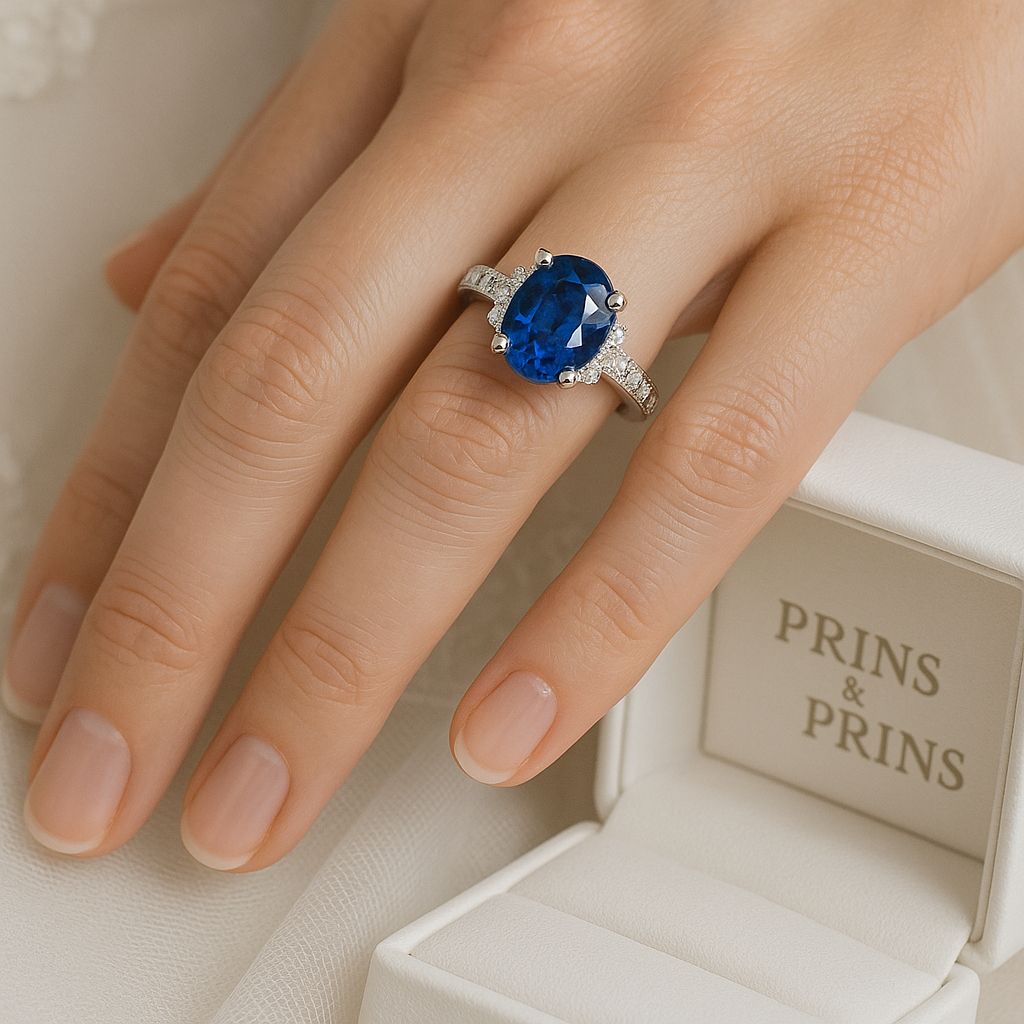
While diamonds remain the most popular choice, many couples are turning to sapphires, emeralds, and other gems for their unique beauty. Historic figures such as Princess Diana (and now the Princess of Wales, Catherine) chose sapphire, highlighting how Gemstone Jewellery can be just as meaningful and enduring.
Myth 5: Diamonds Are White and Colourless
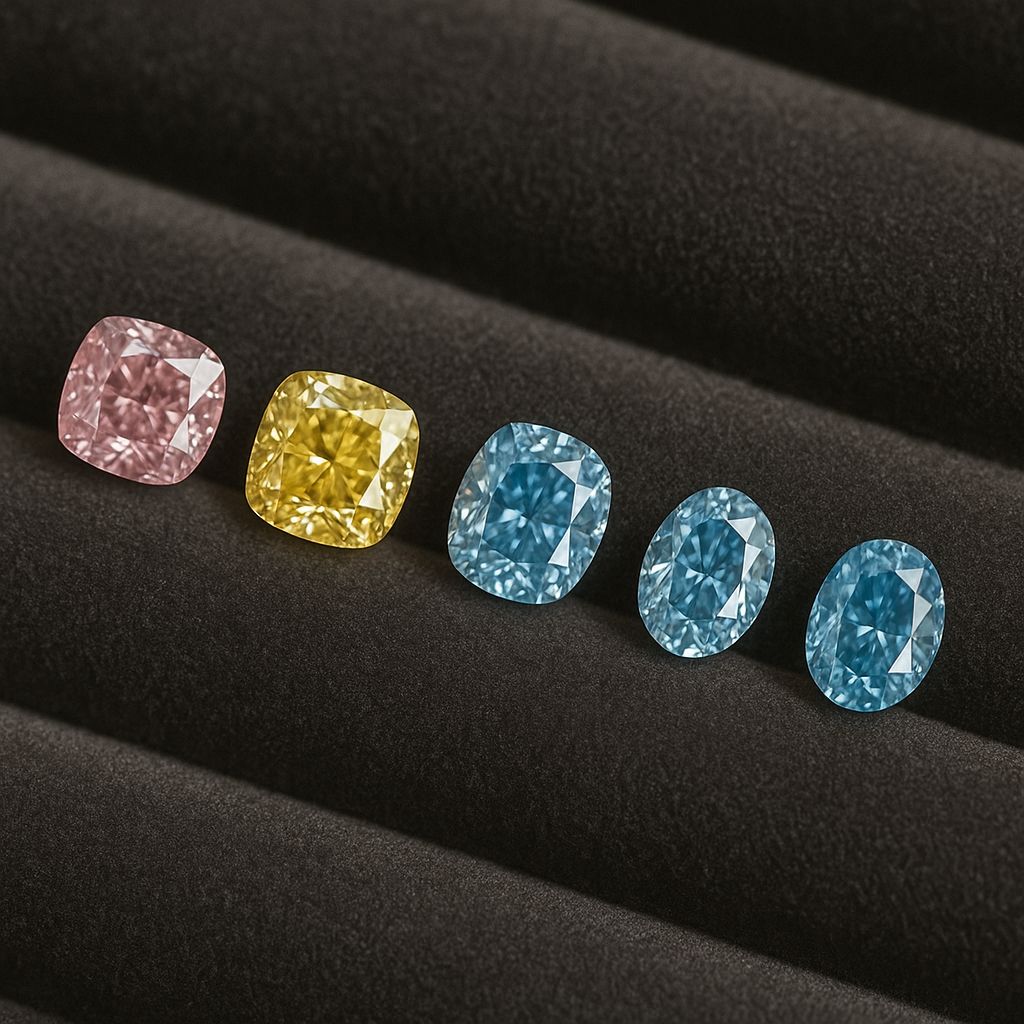
Not all diamonds are icy white. Natural fancy-coloured diamonds occur in hues of pink, blue, yellow, and even rare reds. Similarly, gemstones exist in nearly every shade imaginable. These colours often carry cultural or emotional symbolism, making them excellent choices for personal jewellery.
Myth 6: Birthstones Are Just a Marketing Gimmick
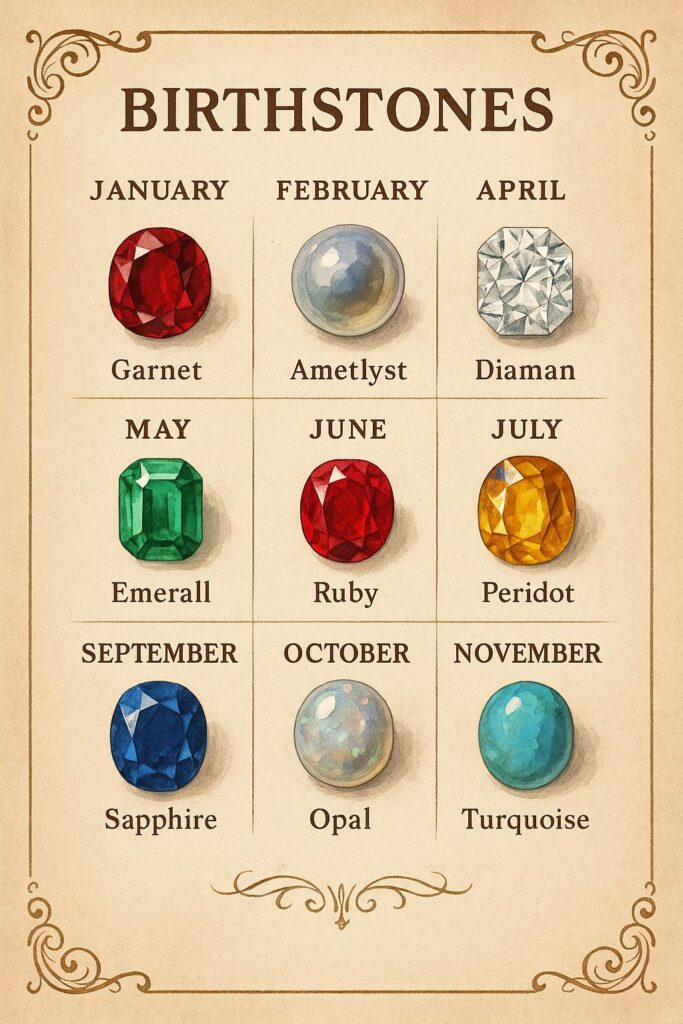
Birthstones have ancient roots, with origins in biblical and cultural traditions. While modern marketing popularised them, the symbolism of wearing a gem linked to one’s birth month or astrological sign has been around for centuries. For many, it’s a meaningful way to connect jewellery with identity and appreciate the rich history behind these traditions.
Myth 7: Treated Gemstones Are Fake
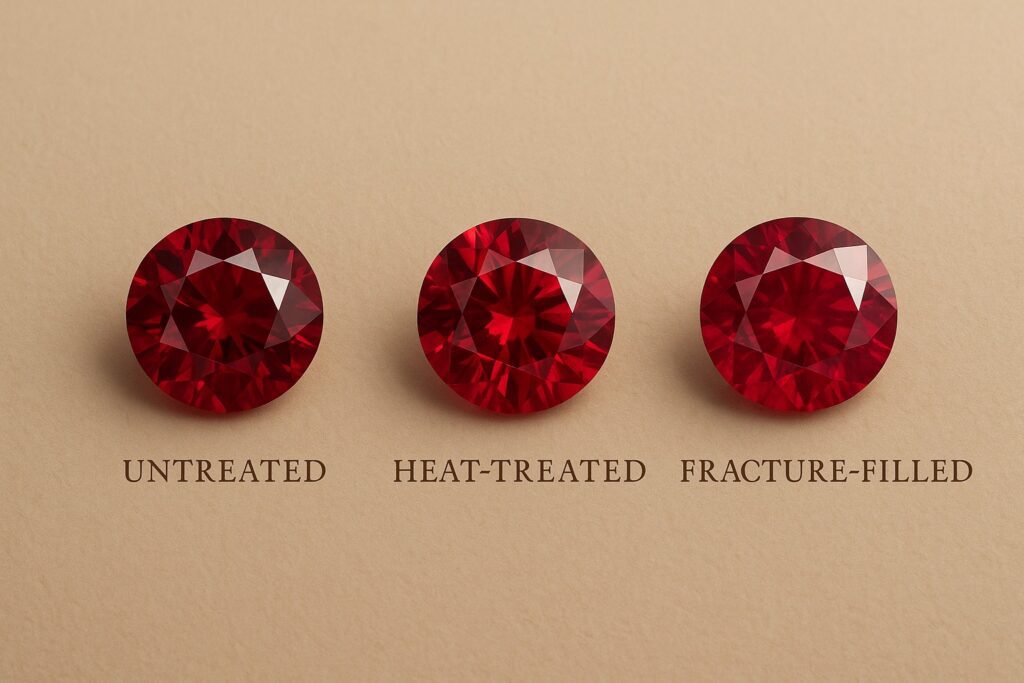
Many gemstones undergo treatments—such as heating—to enhance their natural beauty. These treatments are widely accepted in the trade when disclosed, and they don’t make the gemstone “fake.” A ‘fake’ gemstone is one that is not what it is claimed to be, such as a synthetic stone being sold as a natural one. However, undisclosed or misleading treatments are unethical. This is why choosing a trusted jeweller with gemmological expertise is essential.
Myth 8: Diamonds Come Only from Africa
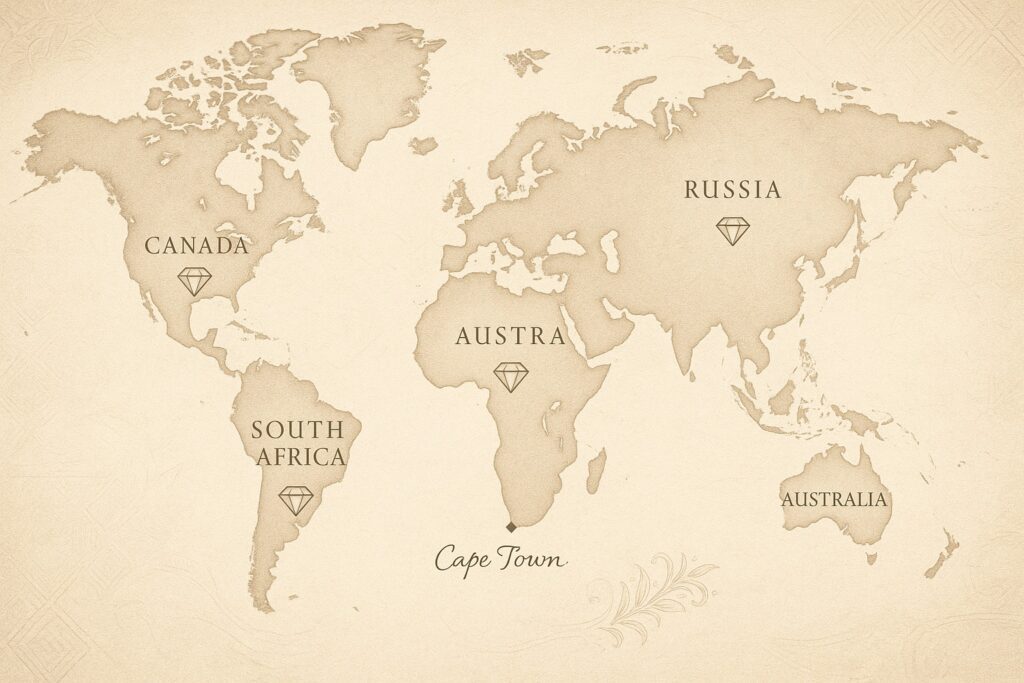
While South Africa is world-renowned for its diamond heritage, diamonds are also mined in Russia, Canada, Australia, and other regions. What sets Africa—and especially Cape Town—apart is the legacy of diamond discovery and craftsmanship. At Prins & Prins, housed in the historic Huguenot House, a symbol of our long-standing tradition and commitment to excellence, that legacy continues with each jewel we craft.
Myth 9: Lab-Grown Diamonds Are the Same as Natural Diamonds
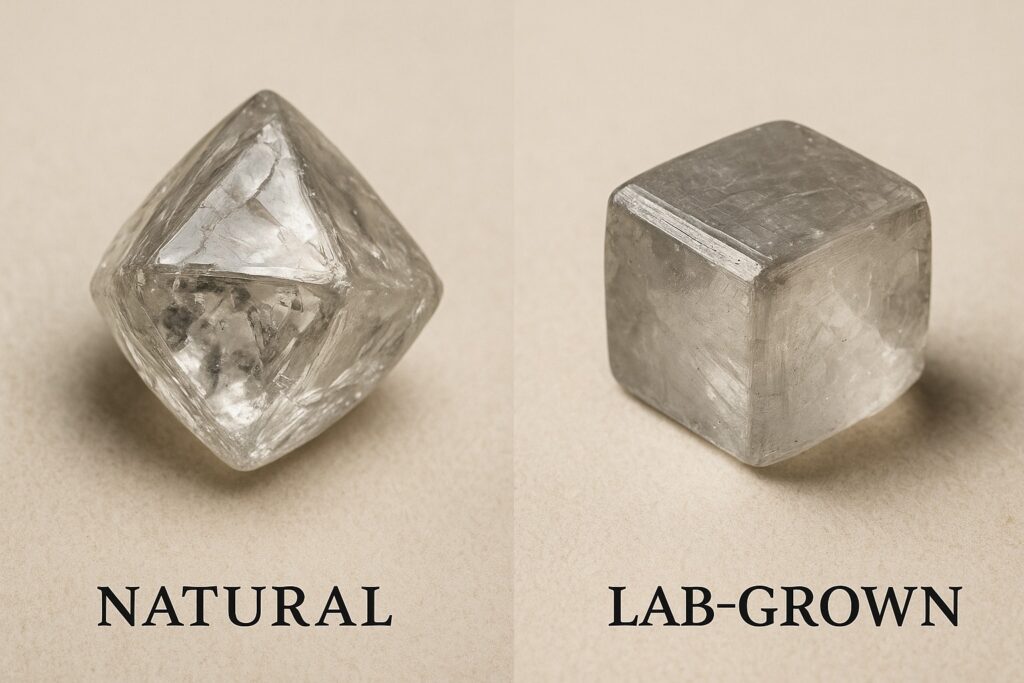
Lab-grown diamonds share the same chemical composition as natural diamonds, but they lack the natural rarity and heritage of earth-formed gems. Natural diamonds are billions of years old—true geological miracles. For those who value rarity, provenance, and enduring investment, certified natural diamonds remain unmatched.
Myth 10: Gemstones Don’t Need Care
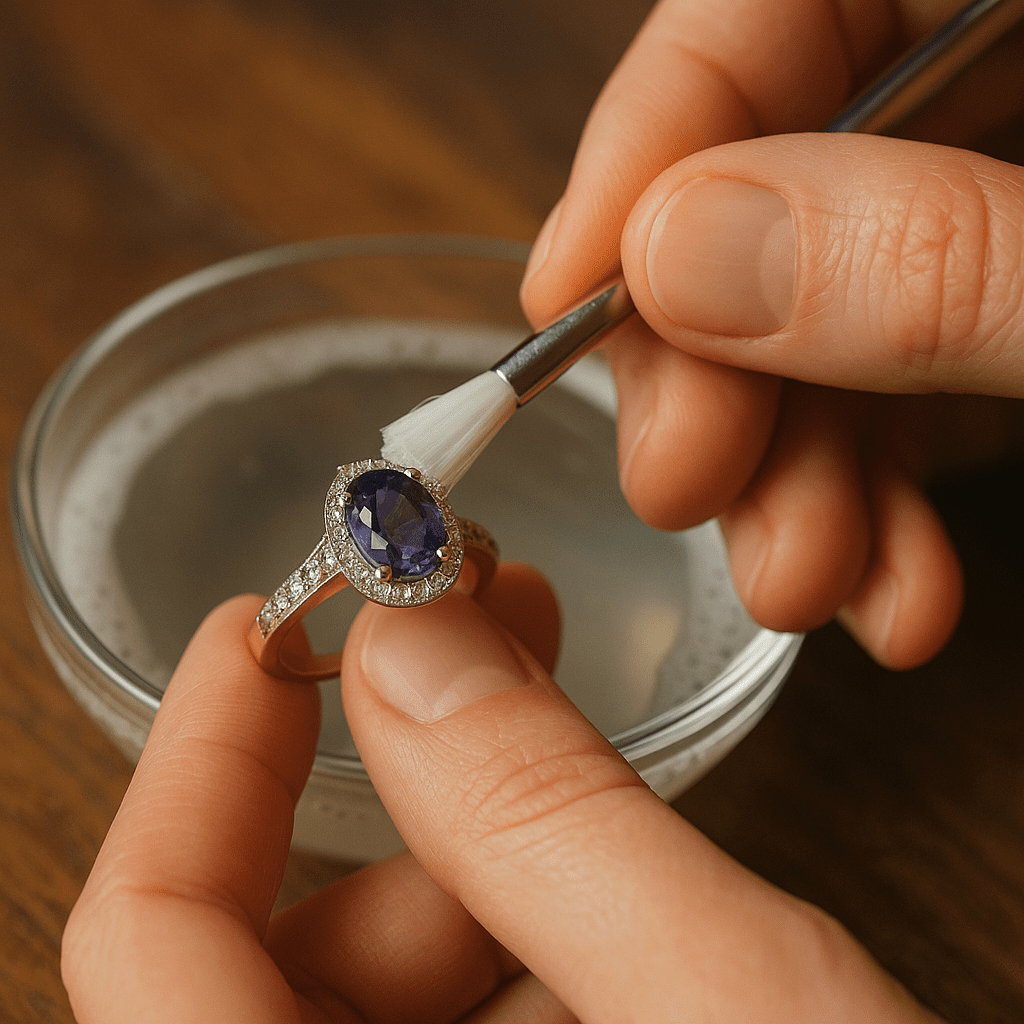
Many clients believe diamonds and gemstones don’t require special care. In reality, even the hardest jewels benefit from regular cleaning, safe storage, and professional checks to ensure settings remain secure. By understanding the importance of proper care, you can preserve the beauty of your precious stones for generations to come, fostering a sense of responsibility and commitment.
The Truth Sparkles at Prins & Prins
Diamonds and gemstones are more than myths—they are treasures of the Earth, each with a unique story. By understanding the truth, you can make informed, confident choices that reflect your taste, values, and heritage.
At Prins & Prins Diamonds, our gemmologists, with their extensive knowledge and experience, are here to guide you through the myths and into the brilliance of reality. Whether you are searching for certified diamonds in Cape Town or exploring the world of Gemstone Jewellery, you’ll find expertise and trust at the heart of your journey.