Tanzanite: December’s Rarest Birthstone and the Gem of a Generation
Tanzanite stands apart as one of the most extraordinary gems introduced to the world in modern history. Unlike gemstones known since antiquity, tanzanite is a comparatively recent discovery, yet it has already become one of the most desirable birthstones of December. With its mesmerising interplay of blues and violets, geographic exclusivity, and complex gemmological character, tanzanite has earned the title “the gem of a generation.” For discerning collectors and those seeking a meaningful birthstone, few gems offer such rarity, beauty, and geological intrigue.
A New Arrival: How Tanzanite Became a December Birthstone
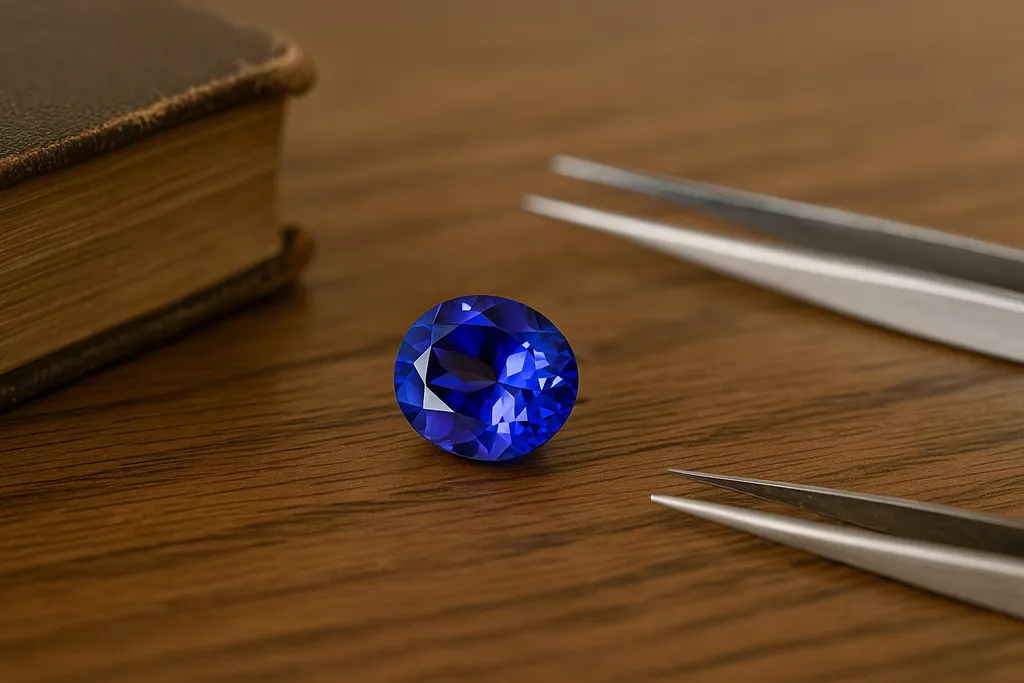
Most birthstones have remained unchanged for centuries, rooted in long-standing cultural traditions. Tanzanite, however, joined the list only in 2002, making it one of the newest additions to modern birthstone charts. Its rise was remarkably swift. First identified in the late 1960s in northern Tanzania, the gem captivated cutters, jewellers, and collectors alike with an intensity of colour rarely seen in other natural gems.
The decision to officially recognise tanzanite as a December birthstone reflected more than commercial interest. It acknowledged the gem’s unique optical qualities, its cultural impact, and its significance as one of the few gems found exclusively in a single region. In doing so, tanzanite reshaped the birthstone landscape, offering December celebrants a jewel that embodies both modern discovery and timeless elegance.
Found in One Place Only: The Merelani Hills of Tanzania
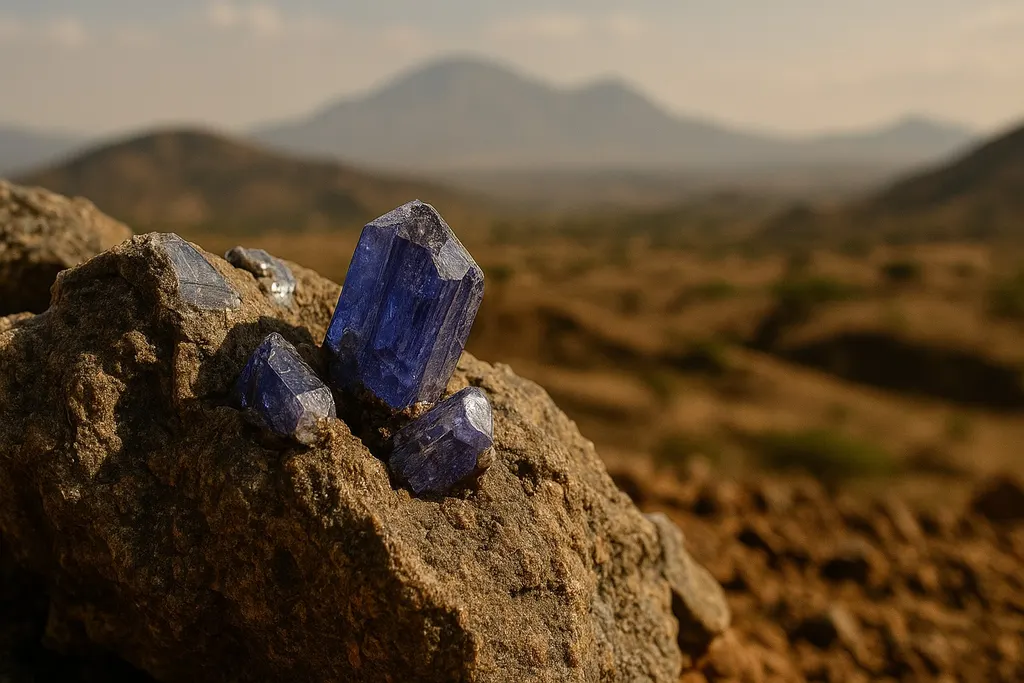
Tanzanite’s rarity cannot be overstated. It occurs only in a small area of the Merelani Hills near Mount Kilimanjaro. This exclusivity is not simply a matter of limited mining; it is the result of geological conditions that have not been replicated anywhere else in the world. Millions of years ago, intense heat and pressure transformed the mineral zoisite into the vivid blue, violet variety we now know as tanzanite. The Earth has yet to reproduce these conditions in any other location.
This tiny mining region is roughly eight square kilometres. As extraction deepens, mining becomes more complex and resource-intensive. Ethical and transparent sourcing therefore plays an increasingly important role. Reputable heritage jewellers such as Prins & Prins work only with trusted suppliers who adhere to responsible mining practices, support local communities, and maintain proper documentation throughout the supply chain. This ensures that each gem’s journey from Tanzania to Cape Town remains traceable and ethically sound.
What Makes Tanzanite Special: A Study in Colour and Complexity
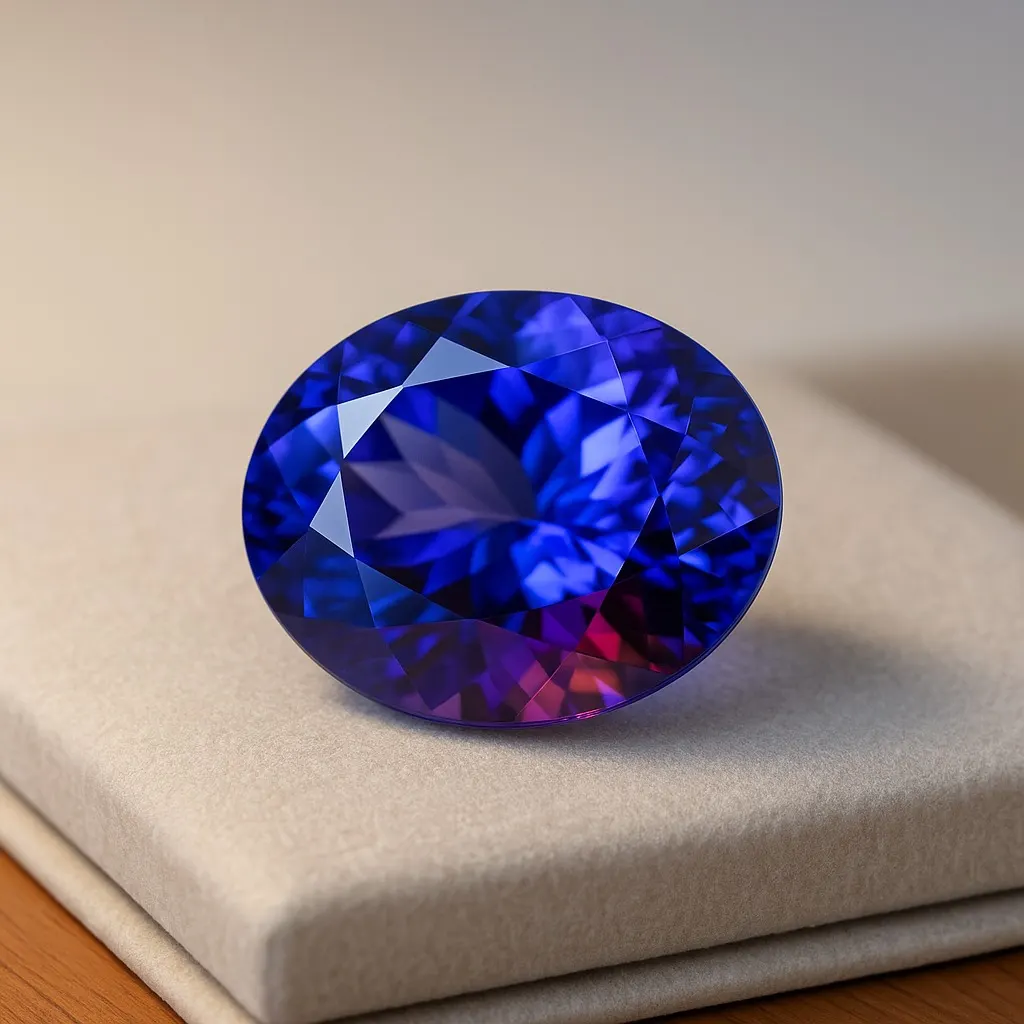
Tanzanite’s most striking feature is its pleochroism, the ability to display different colours when viewed from different angles. In high-quality gems, this manifests as an interplay of violet, blue, and flashes of burgundy. Heat treatment, stabilised early in the gem’s history, enhances and stabilises these hues without altering the gem’s natural integrity.
Grading tanzanite requires specialist knowledge. Gemmologists assess:
• Colour saturation: The most valued gems show rich, velvety blues with balanced violet undertones.• Hue balance: Excessively pale or overly purple gems are less sought after.• Clarity: High-quality tanzanite is typically eye-clean, but natural inclusions can provide character and confirm authenticity.• Cut: Because pleochroism affects how colour appears, the cutter must orient the gem precisely to maximise its interplay of hues.
The result, when expertly handled, is one of the most captivating jewels available today, vivid, luminous, and unmistakably unique.
The Prins & Prins Approach to Quality and Authenticity
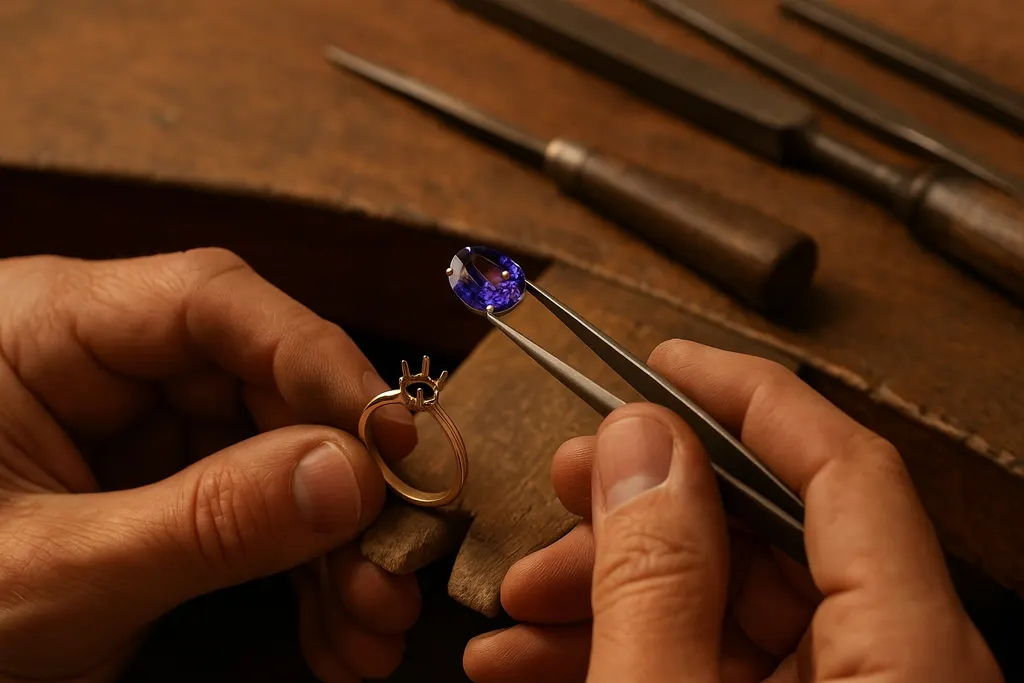
At Prins & Prins Diamonds, tanzanite is approached with the same meticulous care we apply to diamonds and other fine natural gems. Each gem undergoes a thorough gemmological evaluation to ensure that it meets strict standards for colour, clarity, and optical performance.
We examine tanzanite under various lighting conditions to see how its pleochroism behaves in natural daylight, warm interior lighting, and the controlled illumination of our heritage showroom. Only gems that show balanced colour, strong saturation, and elegant shifts in hue proceed to our design process.
In our workshop, housed in the historic wine cellar of Huguenot House, master goldsmiths craft settings that protect the gem while enhancing its natural brilliance. Because tanzanite is slightly softer than sapphire, the setting must provide secure support without obstructing light. Each piece is designed to honour the gem’s character, ensuring long-lasting beauty and wearability.
Clients wishing to explore tanzanite further can discover our curated pieces through the Prins & Prins Tanzanite Jewellery collection:
Ethical and Long-Term Value Considerations
Tanzanite’s geographic restriction makes it a finite resource. Once the Merelani deposit is exhausted, there will be no new source of natural tanzanite. This reality, combined with its striking beauty and strong demand, has made tanzanite an appealing choice for collectors who appreciate gems with both emotional and long-term value. While its future rarity is often discussed, it is important to treat such considerations responsibly. Tanzanite’s appeal lies primarily in its natural beauty and uniqueness rather than speculative value.
Care and Wear Guidance
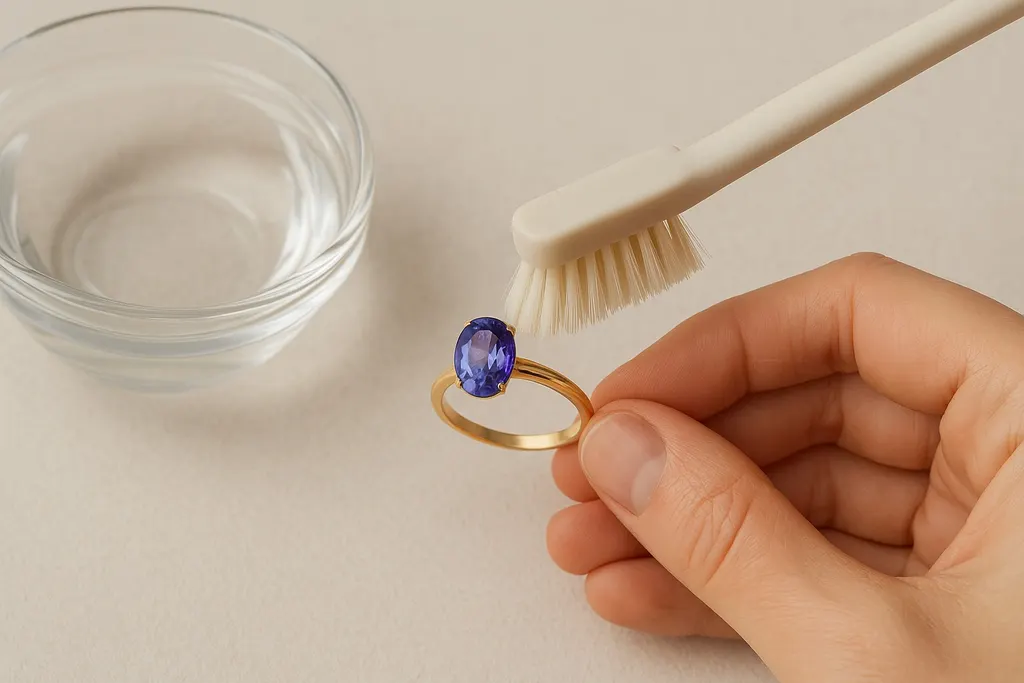
Tanzanite is durable enough for regular wear, but it requires a touch more care than harder gems. We recommend:
• cleaning with warm, soapy water and a soft brush• avoiding ultrasonic cleaners• storing tanzanite separately from harder gems such as diamonds to prevent abrasion• removing tanzanite jewellery during vigorous activities
With proper care, tanzanite retains its vivid colour and brilliance for generations.
A Gem of a Generation
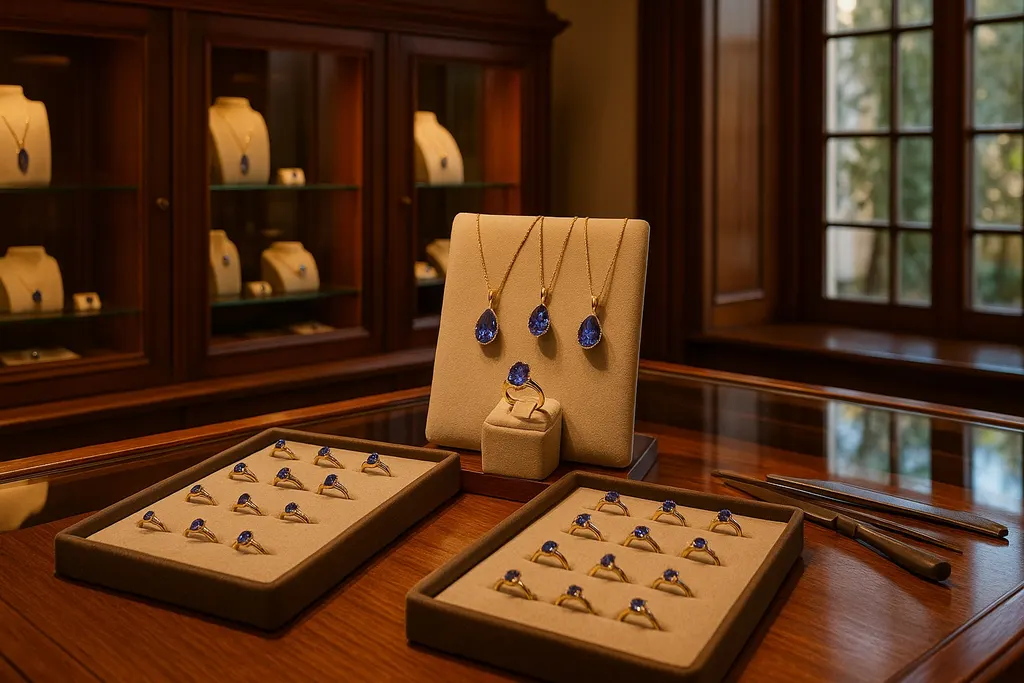
Tanzanite is rare, beautiful, and utterly unlike any other December birthstone. Its singular origin near Mount Kilimanjaro, its vivid colour spectrum, and its modern place in gemmological history make it a jewel that resonates with contemporary collectors and heritage enthusiasts alike.
For those seeking a meaningful December birthstone, one that reflects rarity, authenticity, and refined beauty, tanzanite offers a compelling choice. We invite clients to explore our curated selection of natural tanzanite through our Gemstone Jewellery collection or by visiting our showroom at Huguenot House, where expertise and heritage meet in every piece.
Written by Stacey
Continue your reading.
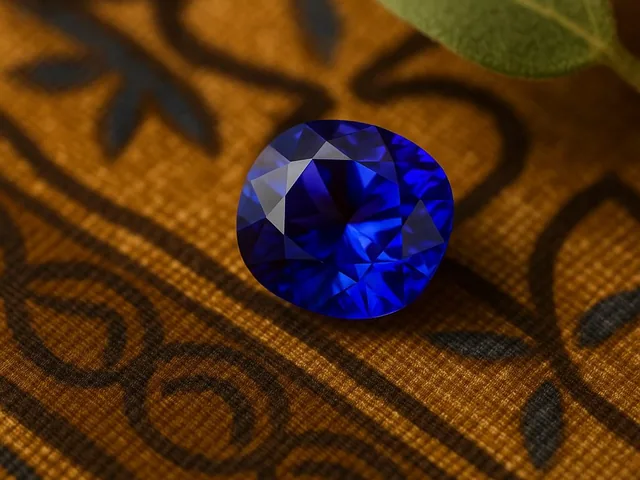
Sustainability in Tanzanite Mining: Challenges and Opportunities
Tanzanite’s beauty is matched by the responsibility to protect its origin. Found only in Tanzania’s Mererani Hills, this rare gem raises critical questions about environmental care, fair labour, and ethical sourcing. At Prins & Prins in Cape Town, every certified Tanzanite reflects a commitment to sustainability, ensuring clients invest in jewels that honou
Read article
How to Avoid Diamond Scams: 10 Red Flags to Know
A Cape Town gemmologist guide to spotting diamond scams: fake certificates, treated stones, dodgy pricing and the ten red flags that give a con away.
Read article
Diamond Certificates Explained: GIA, EGL and More
What a diamond certificate really tells you, how the GIA, the EGL and other laboratories differ, and how to read a grading report before you buy.
Read article