When most people think of mining, they imagine environmental degradation—land stripped bare, ecosystems displaced, and irreversible damage to the earth. But in recent years, leading diamond producers have been rewriting that narrative through sustainable, science-backed practices designed not only to minimise harm, but to restore more land than they disturb.
At Prins & Prins, we proudly source diamonds from mines that are committed to ethical, environmentally responsible operations. This article takes a closer look at the positive developments in modern diamond mining and what they mean for conscious consumers.
Rehabilitation That Exceeds Extraction

Contrary to the outdated image of destructive mining, many of today’s top diamond producers now operate with net-positive land rehabilitation goals. In fact, they restore up to three times more land than they use during mining operations.
After a carat is extracted, surrounding or adjacent areas—sometimes even unrelated parcels of land—are earmarked for rehabilitation and conservation. These efforts often result in:
-
Reforestation projects with indigenous plant species
-
Grassland restoration for grazing or natural biodiversity
-
Habitat protection zones for wildlife, including endangered species
In regions such as Botswana and Namibia, where diamonds play a vital economic role, this approach ensures that mining not only creates wealth—but also leaves the land healthier and more resilient than before.
Powering Progress with Renewable Energy

Sustainable mine practices don’t stop at land use. One of the most impactful shifts has been the integration of renewable energy into daily operations.
Diamond mines in southern Africa and other parts of the world are now investing heavily in:
- Solar farms to generate clean electricity
- Wind turbines to power sorting and processing plants
- Hybrid microgrids that combine renewables with energy storage to reduce reliance on diesel generators
These systems reduce carbon emissions dramatically, contributing to long-term carbon neutrality goals. And unlike lab-grown diamonds produced in coal-heavy economies, natural diamond mines in these regions are increasingly powered by the sun and wind—not fossil fuels.
Smarter Water Use for a Lighter Footprint

Another often-overlooked environmental concern in mining is water use. Modern diamond mines now employ closed-loop systems that allow them to recycle water on-site, drastically reducing their draw on local water sources.
Water used during diamond sorting, cutting, or dust suppression is captured, filtered, and reused—sometimes more than a dozen times. These innovations are essential for maintaining the delicate balance of local ecosystems and safeguarding this precious resource for surrounding communities.
The Ethical Choice: Natural Diamonds Done Right

For today’s buyer, the diamond is no longer just a symbol of love—it’s also a reflection of values. When you choose a responsibly sourced natural diamond, you’re supporting ethical, forward-thinking practices that benefit both the earth and its people.
At Prins & Prins, we proudly offer a curated collection of Certified Diamonds Cape Town, each one selected from mines that prioritise environmental stewardship and ethical integrity.
Whether you’re marking an engagement, an anniversary, or a personal milestone, our handcrafted Diamond Jewellery Cape Town transforms these stones into timeless heirlooms—pieces that carry beauty, meaning, and responsibility.
Final Thoughts: Earth-Friendly Mining is the Future
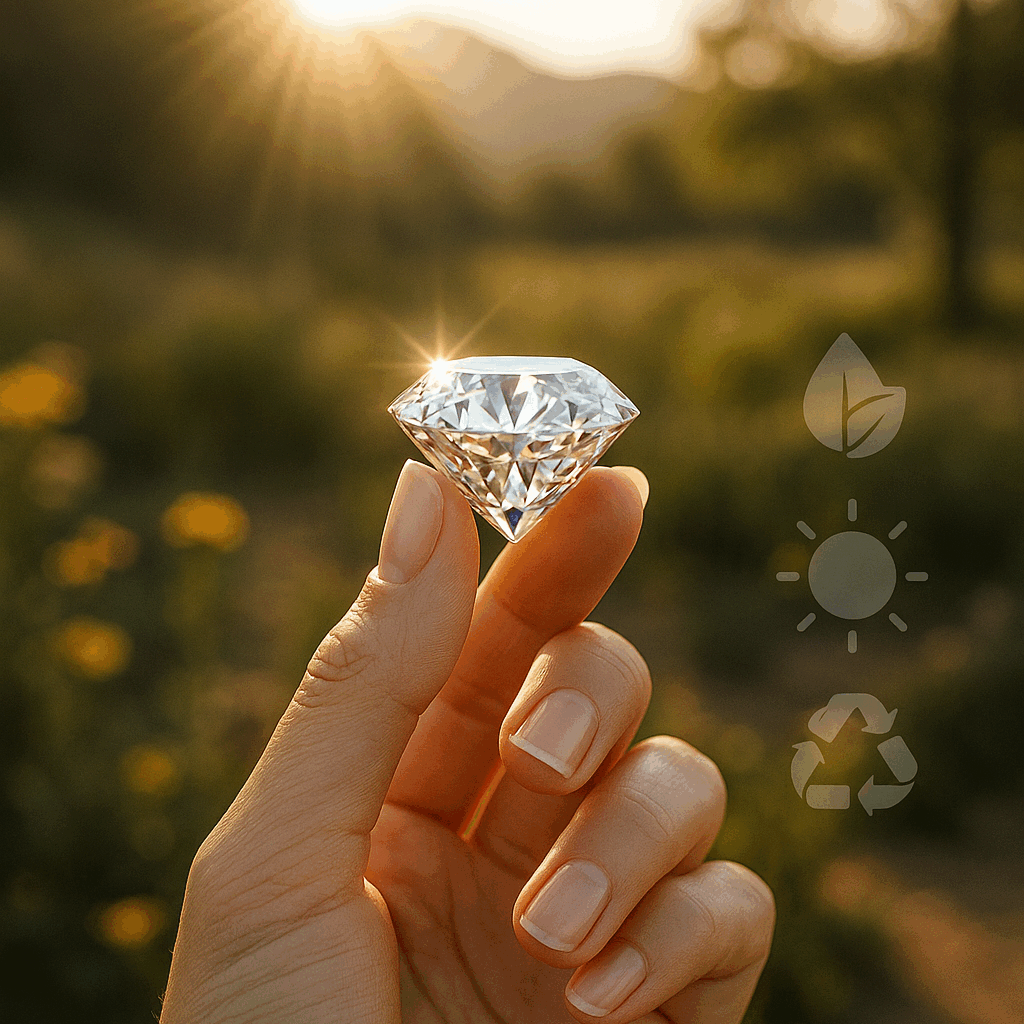
The assumption that mining must equal environmental harm is no longer accurate. Thanks to innovation, accountability, and global sustainability goals, modern diamond mining is not only more responsible—it’s regenerative.
By choosing diamonds from ethical sources, you become part of a story that extends far beyond a sparkle. It’s a story of restoration, progress, and lasting value—one Prins & Prins is proud to tell through every stone we set.