When people think about buying a diamond, their first consideration is often the 4Cs—cut, colour, clarity, and carat. Yet for international clients visiting Cape Town, there is another crucial factor to keep in mind: the exchange rate. Currency movements play a subtle but significant role in determining the value of a purchase, especially when buying a luxury item such as a diamond.
Drawing on the decades of expertise of Dr Petre Prins, we explore how the intersection of finance and gemmology shapes the diamond market, and what buyers should understand before making this meaningful investment.
The Global Nature of Diamond Pricing
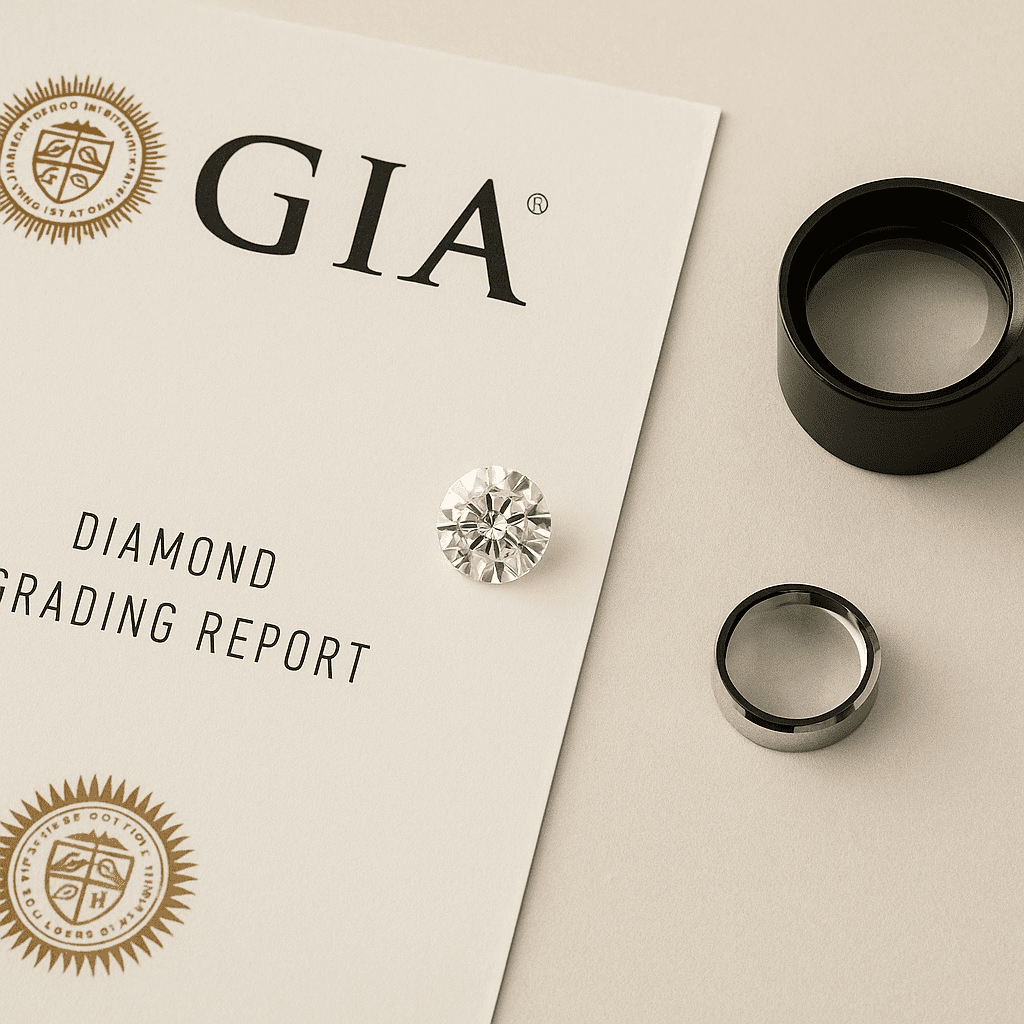
Diamond pricing does not occur in isolation within South Africa. Instead, it is guided by international benchmarks, primarily the Rapaport Diamond Report. This global price list establishes the market value for polished diamonds based on their characteristics.
What does this mean for the South African buyer—or for the tourist visiting Cape Town? Simply that diamonds in South Africa are not automatically “cheaper” than elsewhere. A GIA-certified diamond of a given cut, colour, clarity, and carat weight will command a similar base price whether purchased in London, New York, or Cape Town.
However, the exchange rate adds another layer of complexity that can work in favour of international buyers.
Exchange Rates and Their Impact
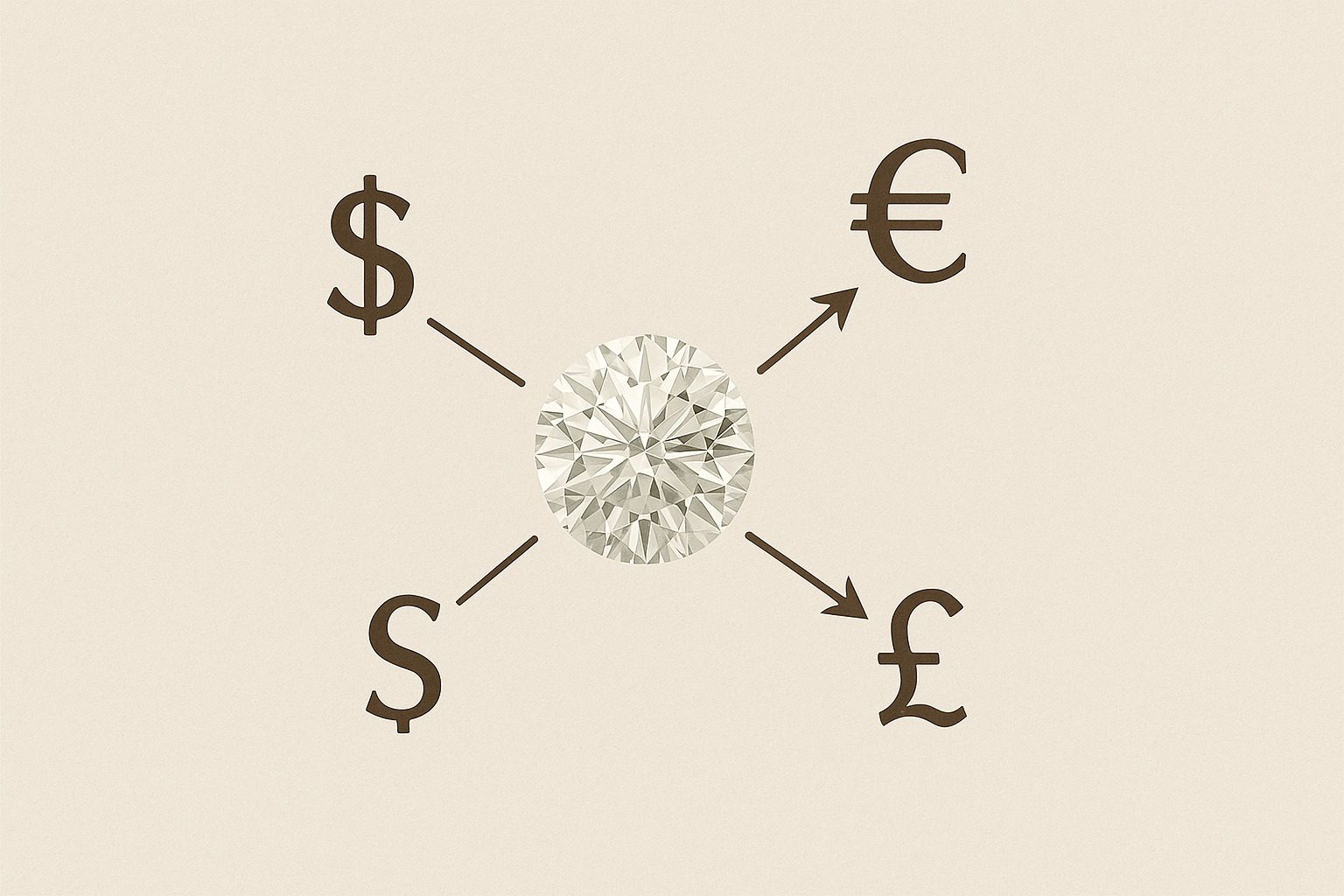
The South African rand (ZAR) is known for its fluctuations against major currencies such as the US dollar, euro, and British pound. Since most diamonds are priced in US dollars, the rand’s strength or weakness has a direct effect on local pricing:
- When the rand weakens against the dollar, imported polished diamonds become more expensive for South Africans, but foreign buyers with stronger currencies can find excellent value in Cape Town.
- When the rand strengthens, the opposite is true. South Africans may enjoy more stable pricing, while international visitors experience less currency-driven advantage.
In both cases, the underlying international diamond price remains steady, but the exchange rate influences how affordable the purchase feels in local terms.
Why Cape Town Buyers Pay Attention

Cape Town is not only South Africa’s Mother City—it is also a global destination for luxury travellers. Many international clients combine a visit to Table Mountain, Robben Island, or the Cape Winelands with the opportunity to purchase a diamond.
When their home currency is strong against the rand, visitors can maximise value. For example, a British client buying with pounds during a period of rand weakness may find that their money stretches significantly further. This is one of the reasons Cape Town has earned a reputation as a sought-after diamond-buying destination.
Dr Prins’s Perspective: Beyond Currency Advantage
Dr Petre Prins, who has advised clients for decades, cautions that while exchange rates can enhance value, they should never be the sole reason to buy a diamond. “A favourable exchange rate may save you money today,” he notes, “but true value lies in the diamond’s quality, certification, and the trustworthiness of your jeweller.”
Exchange rates are volatile. What is advantageous today can reverse tomorrow. A diamond, however, is timeless. Its brilliance, rarity, and beauty endure regardless of market swings.
Local vs International Buyers

For South African Buyers
When the rand weakens, imported polished diamonds can feel more expensive. Yet local buyers can still find excellent opportunities by focusing on cut quality and working with jewellers who buy well on the international market.
For International Buyers
Visitors benefit most when their currency is strong against the rand. Not only do they enjoy relative savings, but they also gain access to South Africa’s renowned heritage jewellers, who offer bespoke craftsmanship and a depth of gemmological expertise rarely matched elsewhere.
Why Certification Matters More Than Currency
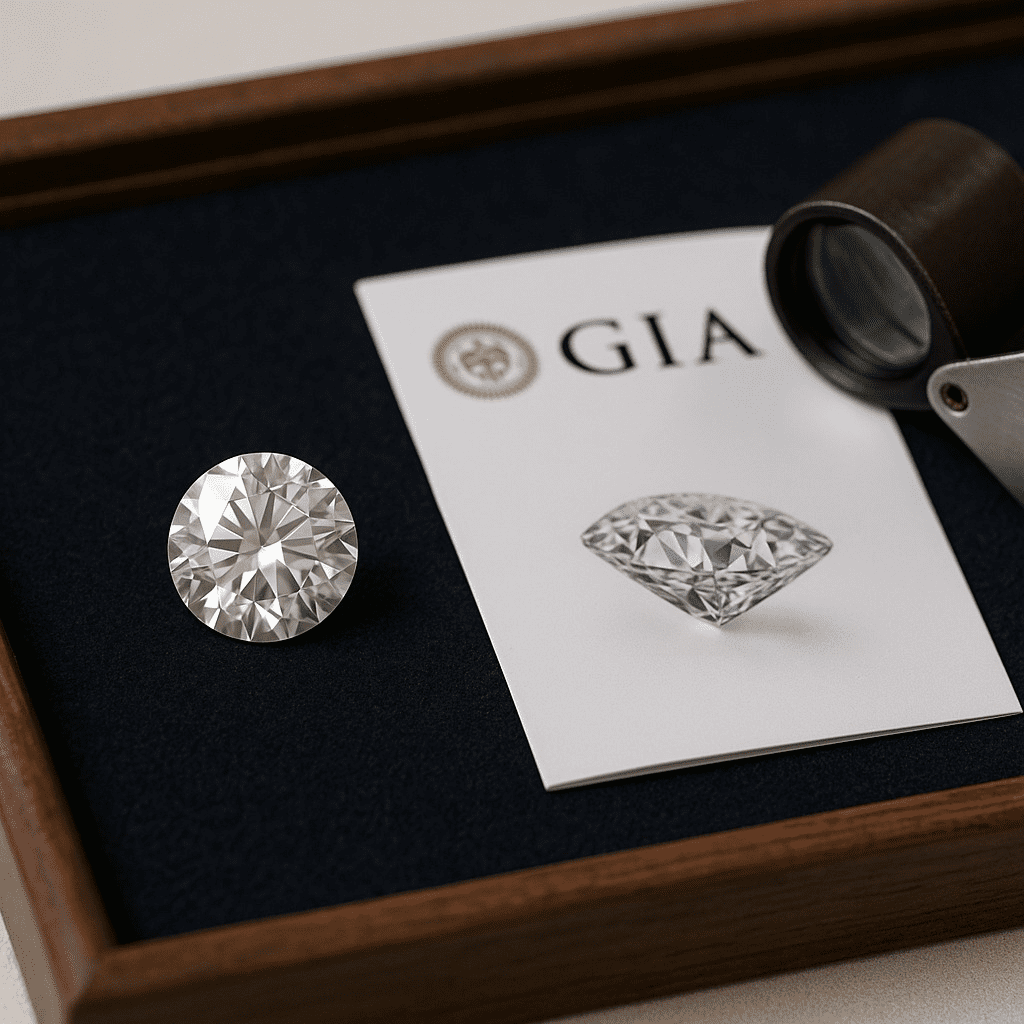
Every diamond sold at Prins & Prins is independently certified, most often by the Gemological Institute of America (GIA). This ensures that, regardless of exchange rate fluctuations, the diamond you purchase is graded to international standards.
A certified diamond can be valued, insured, and compared anywhere in the world. That kind of security transcends financial volatility. It transforms a diamond from a simple purchase into a secure investment in beauty and authenticity.
The Bigger Picture: Diamonds and Global Finance
The relationship between diamonds and exchange rates illustrates the intersection of luxury goods and global finance. Diamonds are not immune to economic forces—import duties, inflation, and currency shifts all play their part. Yet what sets diamonds apart is their enduring ability to hold emotional and symbolic value beyond financial considerations.
Dr Prins often reminds clients that buying a diamond is not just a financial decision but a personal milestone—an engagement, an anniversary, or the creation of a family heirloom. These are moments that cannot be measured against the currency market.
Practical Advice for Buyers
If you are considering a purchase in Cape Town, keep these points in mind:
- Monitor the Rand: Check how your home currency is performing before you travel. A strong exchange rate can enhance affordability.
- Prioritise Quality: Focus on cut, certification, and craftsmanship above short-term currency savings.
- Buy from Trusted Jewellers: The expertise of your jeweller safeguards your investment far more than any exchange rate advantage.
- Think Long-Term: Diamonds are timeless. What matters most is the enduring beauty and legacy of your jewel.
Conclusion: More Than Just Numbers
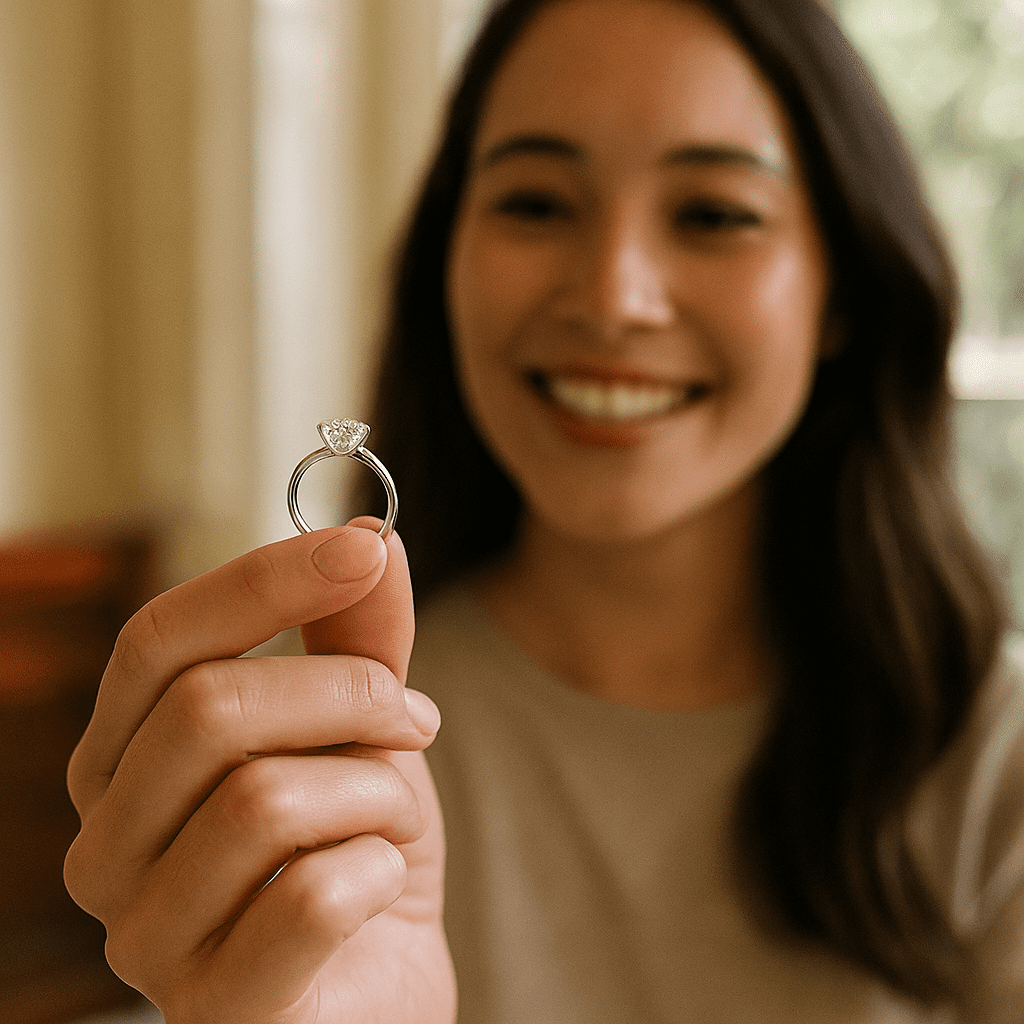
Exchange rates undeniably affect diamond pricing in South Africa, especially for international clients. Yet while financial markets rise and fall, the brilliance of a natural diamond remains constant.
For those seeking Natural Diamonds in Cape Town, the greatest value lies not in chasing currency fluctuations but in choosing a trusted heritage jeweller. At Prins & Prins Diamonds, every client—local or international—receives expert guidance, certified gems, and bespoke craftsmanship.
A diamond is not only a financial decision; it is a promise of beauty, authenticity, and enduring value. And in Cape Town, that promise shines brighter than ever.