Tanzanite, one of the world’s most captivating and rarest gems, is a violet-blue treasure found only in a small mining area near Mount Kilimanjaro in northern Tanzania. This gem, up to 1,000 times rarer than diamonds, is a privilege for discerning collectors and travellers. Cape Town, with its heritage in fine jewellery, world-class gemmologists, and trusted jewellers like Prins & Prins, offers an exclusive setting to purchase tanzanite.
With great rarity comes great responsibility. Understanding how to identify quality and authenticity is not just important, it’s essential if you are considering investing in this extraordinary gem. This knowledge will empower you and ensure you make an informed decision.
Understanding Tanzanite Quality: The 4Cs
Just as diamonds are evaluated using the 4Cs — colour, clarity, cut, and carat weight — tanzanite can also be assessed using similar criteria. These factors are crucial in determining the quality and value of a tanzanite gem. Guidance from the Gemological Institute of America (GIA) provides a reliable framework for understanding these factors.
1. Colour
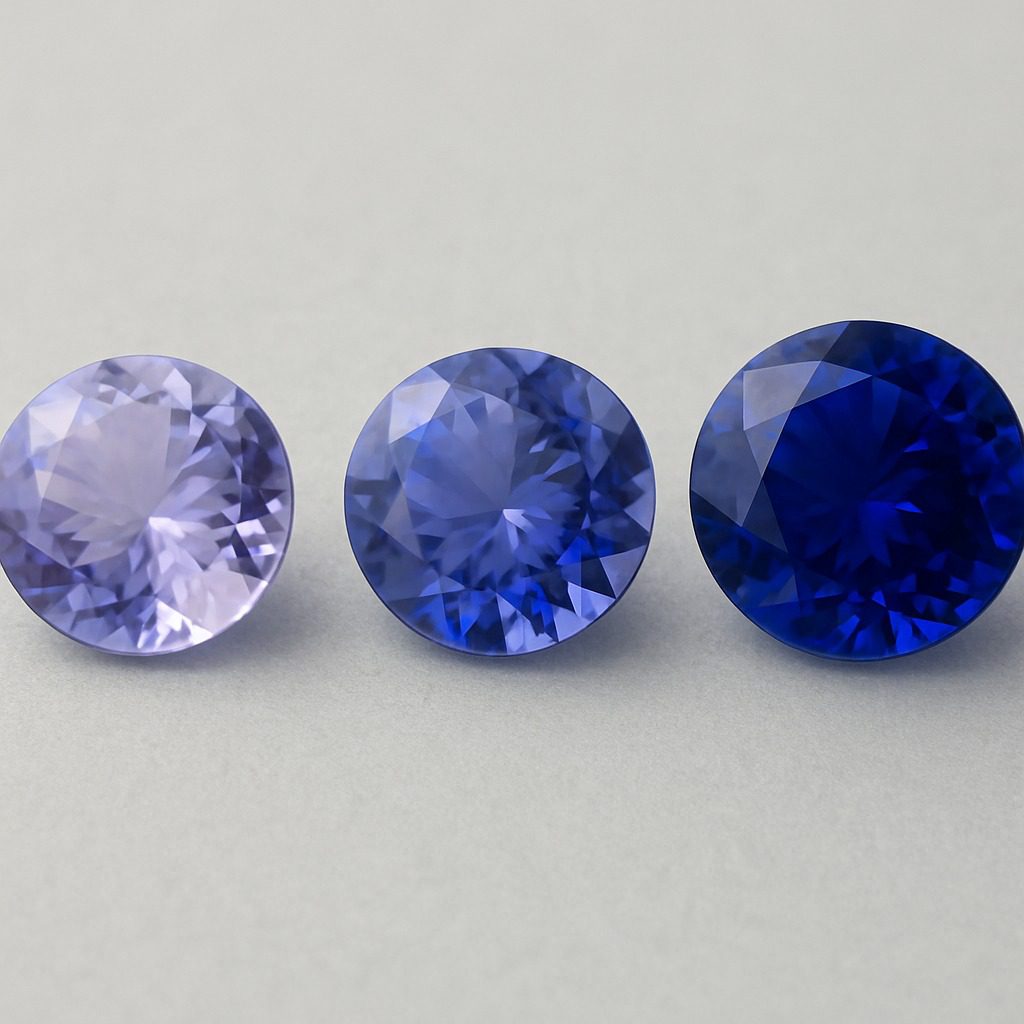
Tanzanite’s colour is its defining feature. The most prized specimens display a deep, velvety violet-blue with flashes of purple or red under different lighting. Paler hues are more common and less valuable. When examining a piece, look for richness and even saturation — an intense, vivid colour that captures light beautifully.
2. Clarity

High-quality tanzanite is relatively free of visible inclusions. Tiny internal features are natural, but they should not distract from the gem’s brilliance. Always view the gem in good lighting to check for clarity and transparency.
3. Cut
A precise cut enhances tanzanite’s natural trichroism — its ability to show different colours (blue, violet, and burgundy) when viewed from different angles. Well-cut gems display symmetry, sparkle, and a lively play of colour. Poor cutting can make even a fine-quality piece appear dull.
4. Carat Weight
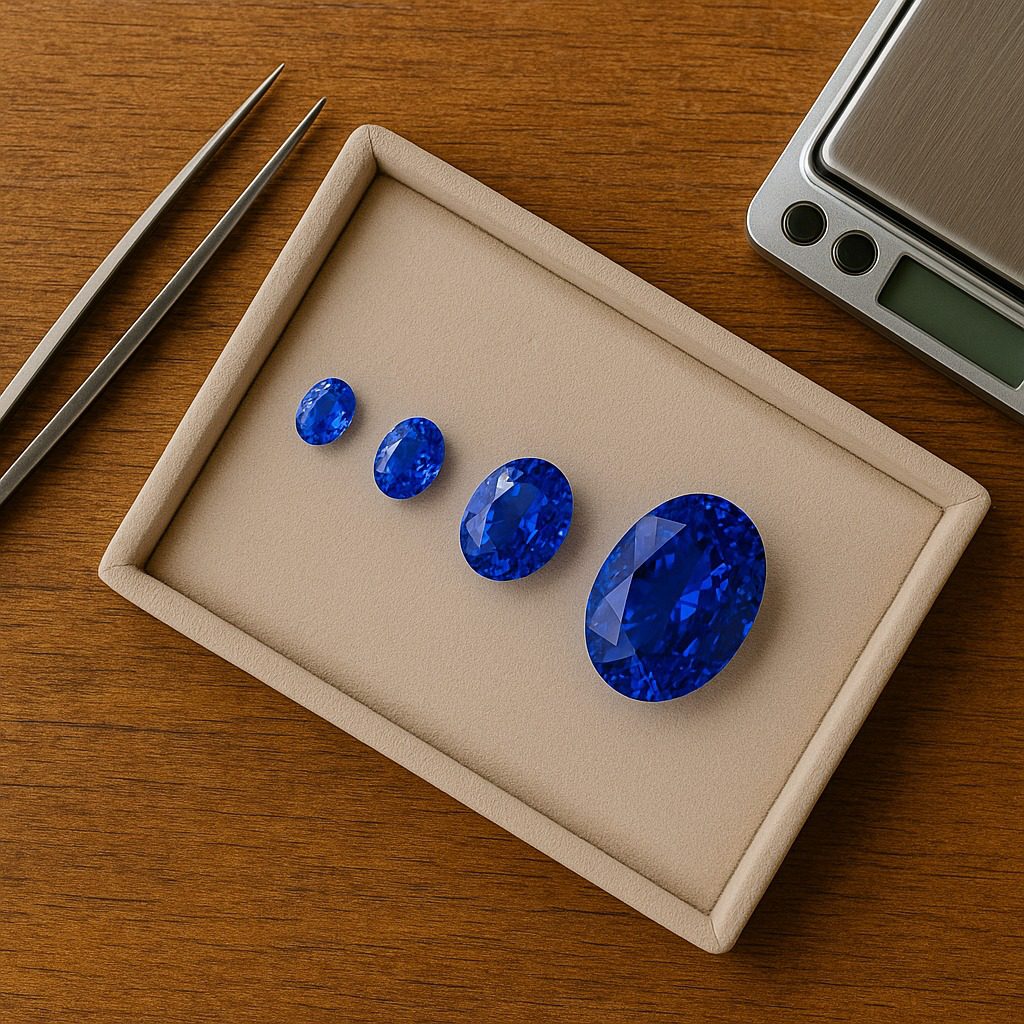
While tanzanite is available in a wide range of sizes, larger gems with rich saturation are increasingly rare. As carat weight increases, so does value — but quality always outweighs size.
Treatments and Disclosure: What to Know

Almost all tanzanite on the market today has been heat-treated — a stable, permanent enhancement that deepens its colour. While this is industry standard and widely accepted, transparency is vital. Ethical jewellers will openly disclose any treatments. When shopping, ask:
- Has this gem been heat-treated?
- Is the colour natural or enhanced?
Being informed helps ensure you are purchasing with confidence and clarity. (For more on gemstone treatments, resources such as Geology.com provide helpful background.)
Ethical Sourcing Questions to Ask
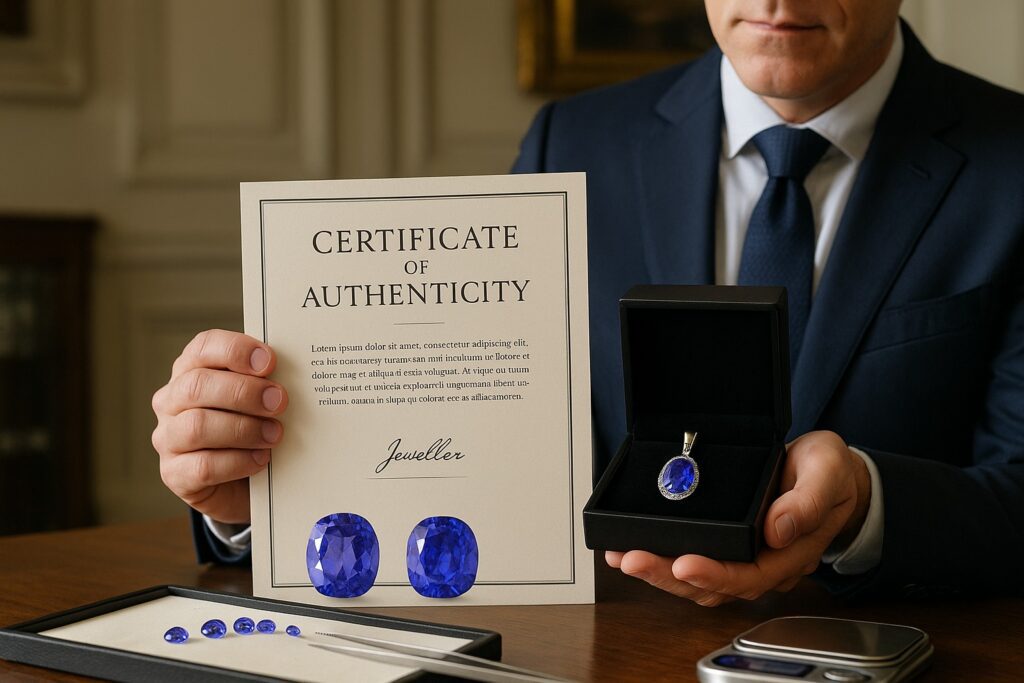
With the growing awareness of responsible mining and supply chains, clients increasingly want assurance that their gems are ethically sourced. When buying tanzanite, consider asking your jeweller:
- Where was this gem sourced, and is its provenance documented?
- Do you work with suppliers who adhere to responsible mining practices?
- How do you ensure fair trade and community benefit?
Trusted jewellers will be open about their sourcing policies and happy to share their commitment to responsible practices.
Why Buy Tanzanite in Cape Town?

Cape Town has long been a hub for luxury, culture, and fine jewellery. Set against the backdrop of Table Mountain and the Cape Winelands, it is a natural destination for those seeking meaningful treasures. Prins & Prins, located in the historic Huguenot House, has earned international recognition for its expertise, heritage, and trusted service.
For international travellers, buying tanzanite in Cape Town offers both security and cultural richness. It is not just a purchase but part of an experience — exploring heritage architecture, visiting the Museum of Gems and Jewellery. This renowned institution houses a diverse collection of rare and precious gems, and consulting with gemmologists who understand both the science and the artistry of this rare jewel.
For a curated collection, visit our page on Tanzanite Jewellery in Cape Town.
Caring for Tanzanite Jewellery

Tanzanite is softer than sapphire or diamond, which means it requires mindful care. To preserve its beauty:
- Clean gently with warm, soapy water and a soft brush.
- Avoid ultrasonic cleaners, steam, or harsh chemicals.
- Store pieces separately to prevent scratches, as harder gemstones or metals can easily scratch tanzanite. This will help maintain the beauty and integrity of your tanzanite jewellery.
- Remove jewellery before vigorous activities.
With proper care, your tanzanite will remain an heirloom that can be enjoyed for generations.
Final Thoughts
Buying tanzanite is more than acquiring a jewel; it is choosing a rare piece of the earth’s story. By understanding quality factors, asking the right questions about authenticity and sourcing, and working with a trusted jeweller, you can be sure your investment is both beautiful and meaningful.
At Prins & Prins, we combine gemmological expertise with Cape Town’s rich heritage, guiding clients through the journey of selecting fine tanzanite with integrity and trust. Whether you are looking for a bespoke design or a carefully curated piece, our consultants are here to assist.
Discover the magic of tanzanite in the heart of Cape Town.