Every natural diamond tells a story—a journey of immense pressure, heat, and time deep within the earth’s mantle. As a gemmologist examines these remarkable jewels, one of the most fascinating aspects they encounter is inclusions. To some, inclusions may appear to be flaws. To others, they are unique fingerprints that mark the individuality of each diamond.
At Prins & Prins Diamonds in Cape Town, guided by the expertise of Dr Petre Prins, inclusions are not only understood but also explained with transparency and care. In this article, we explore what inclusions really are, how they affect value, and why they might be better seen as features rather than imperfections.
What Are Diamond Inclusions?
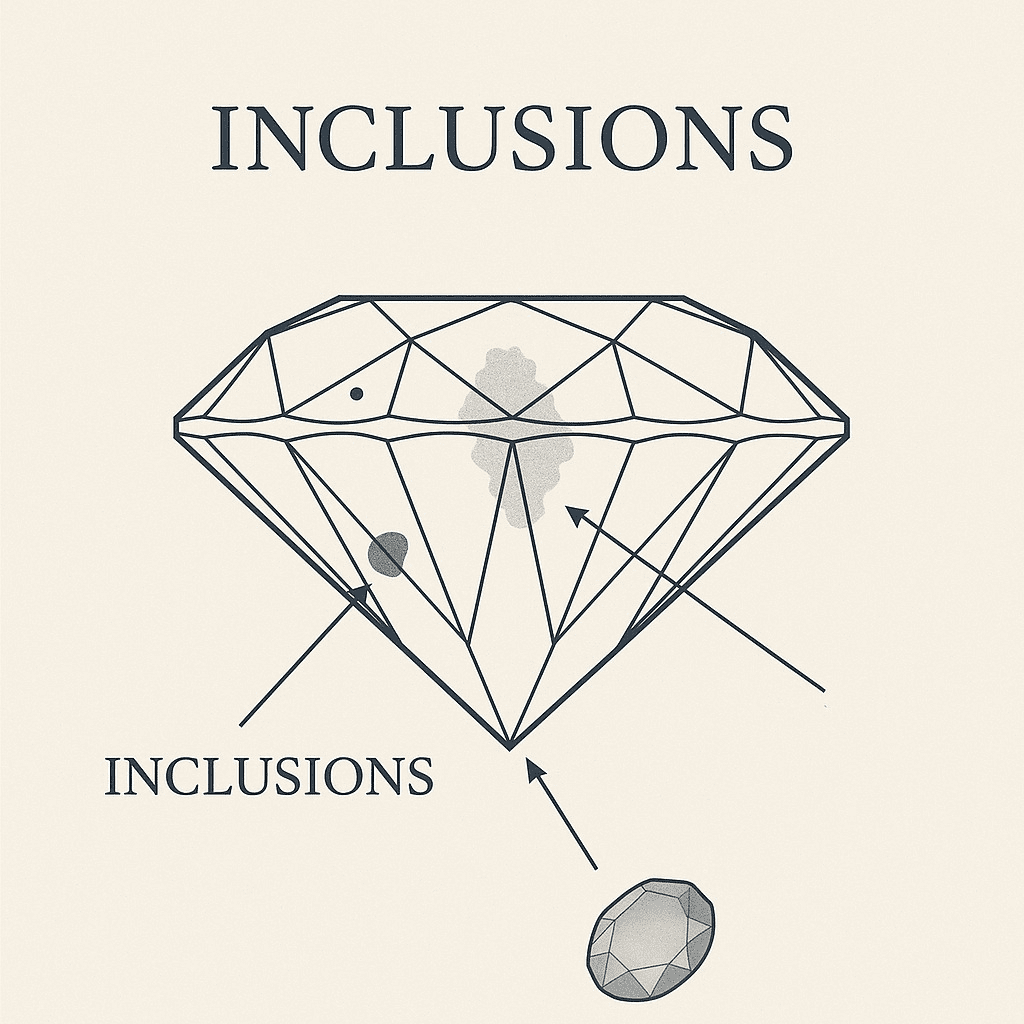
Inclusions are natural characteristics that form inside a diamond as it develops under the Earth’s surface. They are the internal features—minute crystals, fractures, or structural irregularities—that become locked within the diamond during its growth process.
Because every diamond forms under unique geological conditions, each one develops its own set of inclusions. This means no two diamonds are ever truly alike. Far from diminishing their appeal, inclusions often reinforce the authenticity of a diamond as a natural gem of the earth.
Types of Inclusions

Gemologists categorise inclusions by their appearance and structure. Some of the most common include:
- Crystals or Mineral Inclusions: Tiny minerals that were trapped within the diamond as it grew.
- Feathers: Small fractures that may appear feather-like under magnification.
- Clouds: Groups of pinpoint inclusions that create a hazy effect.
- Needles: Thin, elongated crystals within the diamond.
- Knots: Crystals that reach the surface of the diamond.
Each type has a different impact on clarity, depending on its size, location, and visibility to the naked eye.
Inclusions and the 4Cs of Clarity

Clarity is one of the famous “4Cs” used to assess a diamond’s quality. It measures how free a diamond is from inclusions (internal) and blemishes (external).
The Gemological Institute of America (GIA) grades clarity on a scale from Flawless (no inclusions visible under 10x magnification) to Included (inclusions visible to the naked eye). Most diamonds fall somewhere in between.
It is important to remember that a diamond does not have to be flawless to be beautiful. Many inclusions are invisible without magnification and have little to no effect on the diamond’s brilliance.
Flaws or Fingerprints?

From a purely technical perspective, inclusions are irregularities that affect clarity. However, gemmologists often view them differently.
Dr Petre Prins explains: “An inclusion can be thought of as a diamond’s fingerprint. It is a natural marker that makes each gem unique, while confirming its authenticity as a natural diamond.”
In this way, inclusions distinguish natural diamonds from synthetic or lab-grown imitations. They are evidence of geological history—tiny signatures of the forces that shaped the earth billions of years ago.
When Do Inclusions Matter?

Not all inclusions are created equal. Their impact depends on several factors:
- Visibility: If an inclusion is visible to the naked eye, it may reduce the diamond’s desirability.
- Location: An inclusion near the centre of the table facet may be more noticeable than one hidden near the girdle or pavilion.
- Durability: Certain inclusions, such as feathers that reach the surface, may weaken the diamond’s structure and require expert evaluation.
- Size and Contrast: Larger or dark-coloured inclusions can be more noticeable than small, faint ones.
For most buyers, the key is to choose a diamond with inclusions that do not detract from its beauty. With the guidance of an experienced gemmologist, inclusions can be understood and balanced against other factors like cut, colour, and carat.
The Role of Certification
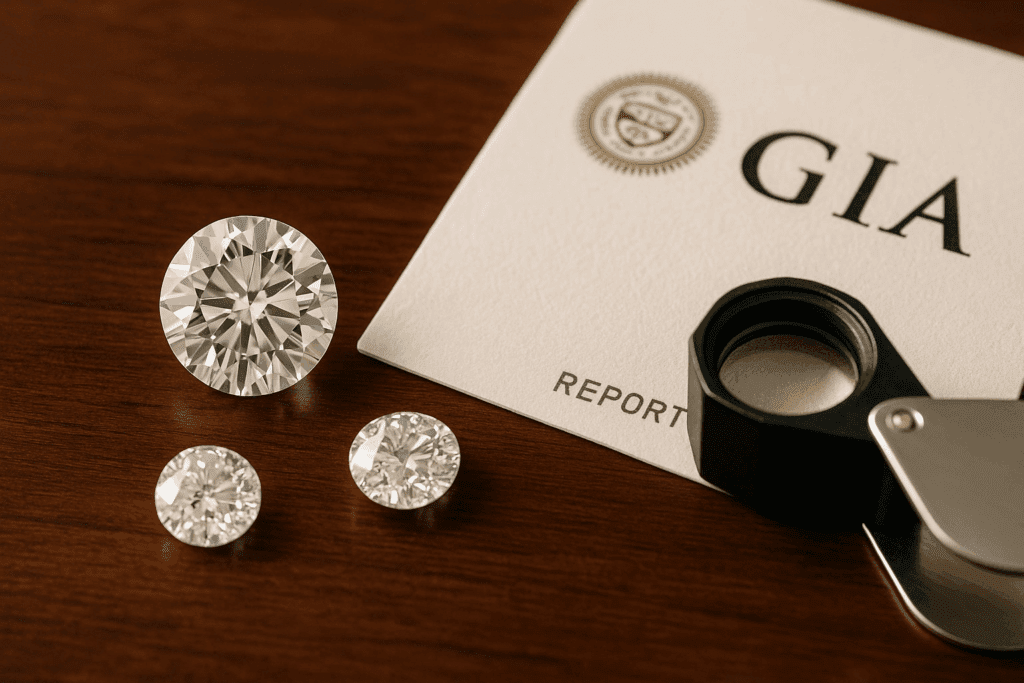
Independent grading reports from respected laboratories such as the GIA are crucial in providing transparency. They record the type, size, and position of inclusions, giving buyers confidence in what they are purchasing.
At Prins & Prins, every diamond is accompanied by a certificate that details its clarity grade and inclusions. This ensures clients have an objective understanding of their diamond, supported by the expertise of our in-house gemmologists.
Inclusions and Value

From a financial perspective, inclusions influence price. Diamonds with fewer or less visible inclusions are rarer and therefore more valuable. However, inclusions can also make diamonds more accessible to a wider range of buyers.
For example, a diamond graded SI1 (Slightly Included) may display inclusions under magnification but still appear eye-clean. Such diamonds often offer exceptional value—balancing beauty and affordability.
For those seeking Natural Diamonds Cape Town, inclusions can be the key to finding a jewel that combines brilliance, authenticity, and budget considerations.
Dr Prins’s Perspective on Educating Buyers
With decades of experience, Dr Prins emphasises education above all else. He encourages clients to see inclusions not as flaws to be hidden, but as features to be understood.
“The presence of inclusions does not diminish a diamond’s significance. What matters is the overall beauty, sparkle, and the confidence that comes from knowing your diamond is natural and certified,” he explains.
By working with an experienced gemmologist, buyers gain insight into which inclusions matter and which can be embraced as part of a diamond’s identity.
Cape Town: A Place of Discovery
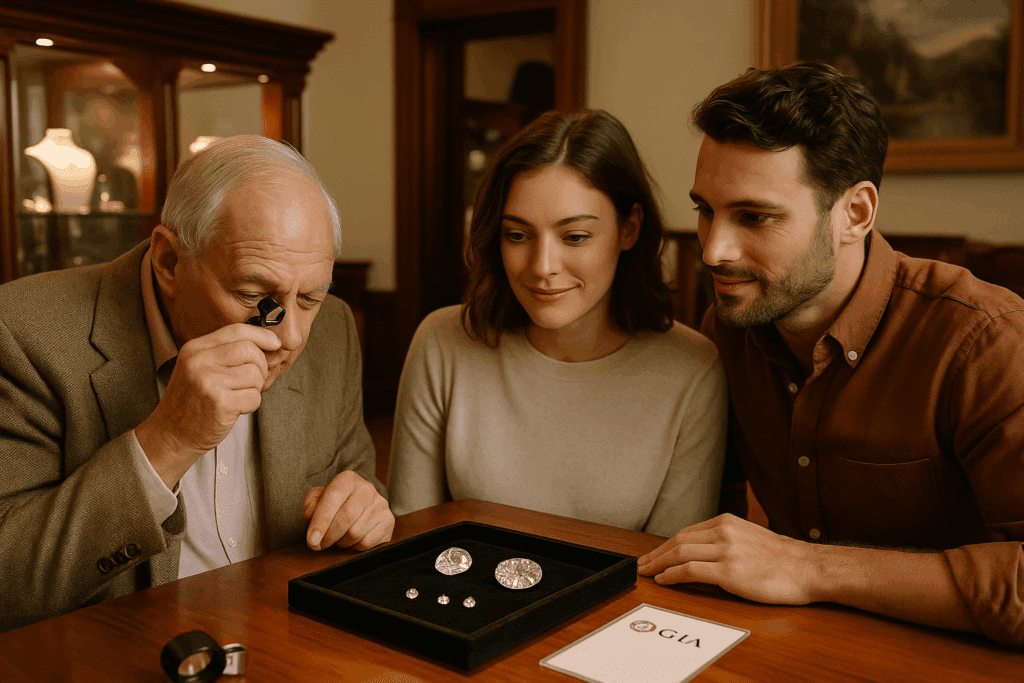
Cape Town offers more than stunning views of Table Mountain and the Atlantic Ocean—it is also a city where clients from across the world come to learn about diamonds. The Prins & Prins showroom, housed in the historic Huguenot House, provides not only jewels but also an educational experience.
Here, inclusions are explained with honesty and clarity, giving buyers the knowledge they need to make informed decisions. This approach reflects both the heritage of Prins & Prins and Cape Town’s reputation as a trusted global jewellery destination.
Conclusion: Beyond Perfection
So, are inclusions flaws or unique features? The truth lies somewhere in between. Technically, they reduce clarity. But philosophically, they are what make a diamond natural, authentic, and one of a kind.
A flawless diamond may command the highest price, but a diamond with inclusions tells a story—a story of the earth’s power, of geological history, and of individuality.
At Prins & Prins Diamonds, our role is to guide you through these details, ensuring that the diamond you choose balances beauty, value, and meaning. Whether you are drawn to flawless brilliance or prefer a jewel with unique character, our expertise ensures your diamond is more than just a purchase—it is an heirloom of knowledge, trust, and heritage.