What Makes South Africa Unique: Geography
In this second article in the series exploring what makes South Africa unique, we turn our attention to the country’s geography. South Africa is defined by extraordinary natural diversity, and while it is impossible to capture everything, certain landmarks stand out as central to the nation’s identity.
Table Mountain
Table Mountain has been officially recognised as one of the New Seven Wonders of Nature, underscoring its global significance.
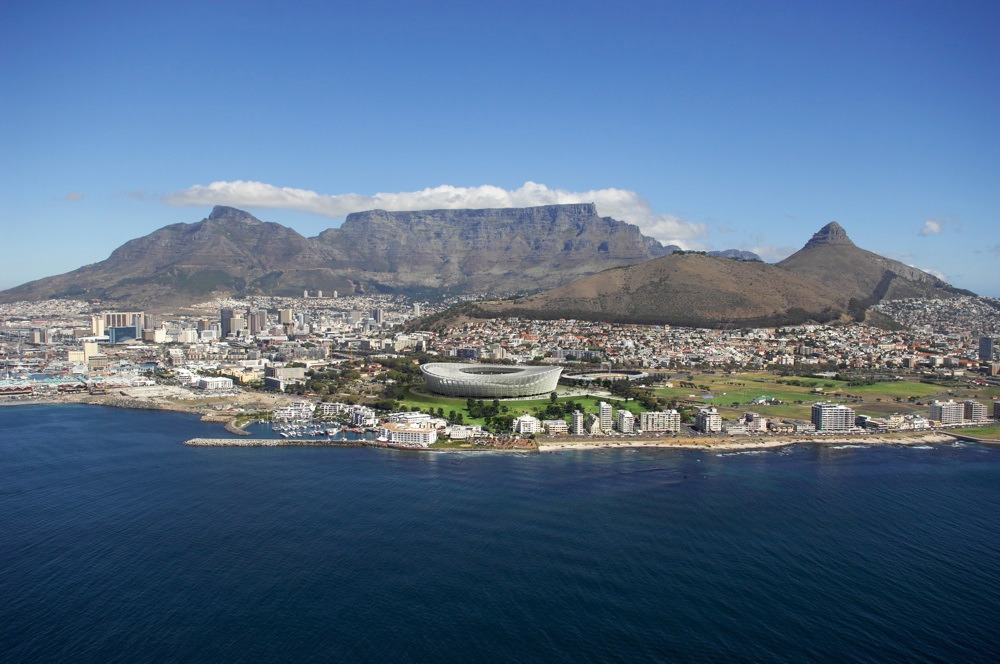
Rising to 1 084.6 metres above sea level, Table Mountain dominates the Cape Town skyline and is visible from up to 200 kilometres out to sea. The first recorded ascent of the mountain took place in 1503, when Portuguese explorer António de Saldanha climbed its slopes.
The mountain’s defining feature is its broad, approximately three-kilometre-wide plateau, edged by dramatic cliffs. One of its most recognisable natural phenomena is the so-called “tablecloth” — a blanket of cloud that forms when the south-easterly wind pushes moist air up the mountain’s face.
Local legend attributes this cloud to a mythical smoking contest between the Devil and a pirate known as Van Hunks, a story that has become part of Cape Town’s folklore.
Other geographical points of interest
- Mossel Bay holds a Guinness World Record for having one of the most moderate climates in the world.
- Tugela Falls in KwaZulu-Natal is the second-highest waterfall on Earth, plunging approximately 948 metres.
- The Blyde River Canyon in Mpumalanga is the third-largest canyon in the world and the largest green canyon, distinguished by its lush vegetation.
- Kimberley’s Big Hole is the largest hand-dug excavation in the world. Famous for its historic diamond deposits, it yielded approximately 2 720 kilograms of diamonds and remains a powerful reminder of South Africa’s diamond heritage.
- The Vredefort Dome, estimated to be around 2.02 billion years old, is the oldest known meteorite impact structure on Earth and one of the largest ever identified.
- Near Oudtshoorn, the Cango Caves form a 3-kilometre-long series of caverns filled with stalactites and stalagmites, making them among the longest cave systems in the world.
- Boesmansgat, also known as Bushman’s Hole, is regarded as one of the deepest freshwater sinkholes on the planet.
South Africa’s geography is as varied as it is remarkable, forming the foundation of the country’s natural beauty, cultural stories, and geological significance.
The next article in this series explores another aspect of what makes South Africa truly unique.