What Is a Fake Diamond?

Not everything that sparkles is a diamond. Many colourless materials can closely resemble natural diamonds, which understandably raises important questions for buyers: how can one be sure a diamond is genuine, is the price appropriate, and can the purchase be made with confidence?
Understanding the differences between natural diamonds and their look-alikes is essential. Materials commonly mistaken for diamonds generally fall into two categories.
Diamond simulants
Simulants are natural or man-made materials that resemble a diamond in appearance but differ in their chemical and physical properties. Common examples include:
- Cubic zirconia – a man-made material produced since the 1970s, available in a wide range of colours
- Moissanite – a laboratory-created gemstone introduced in the 1990s, often displaying a slight greenish or yellowish tint
- White spinel – either natural or synthetic, cut to resemble a diamond
- Other colourless simulants such as yttrium aluminium garnet (YAG) and strontium titanate
Laboratory-grown diamonds
Laboratory-grown diamonds (also referred to as synthetic diamonds) share the same chemical and physical properties as natural diamonds but are created in controlled laboratory environments. While small laboratory-grown diamonds have existed since the mid-20th century, only in recent decades has technology enabled their use in fine jewellery.
Although laboratory-grown diamonds are genuine diamonds from a scientific perspective, they differ from natural diamonds in origin, rarity, and long-term value considerations.
How diamonds are identified
Distinguishing between natural diamonds, simulants, and laboratory-grown diamonds requires professional expertise. Trained gemmologists use specialised instruments and testing methods to accurately identify a diamond’s nature and origin.
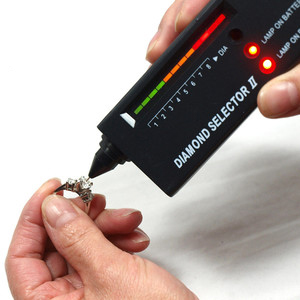
One commonly used tool is a diamond tester, which measures thermal conductivity. While effective, such instruments must be used correctly, as improper handling can produce misleading results.
Choosing a trusted jeweller
When purchasing a diamond, asking informed questions is essential. Buyers should consider whether their jeweller is properly qualified, how long the business has been established, and whether it adheres to recognised professional standards.
Reputable jewellers rely on their expertise, transparency, and long-term reputation. Independent certification and clear explanations of grading reports form an important part of building confidence.

Members of the Jewellery Council of South Africa adhere to professional standards designed to protect consumers and uphold confidence in the jewellery trade.