CAPE TOWN'S MOST TRUSTED JEWELLER
Diamond Education
Discover Unmatched Brilliance with Certified Loose Diamonds in Cape Town
At Prins & Prins, we believe a diamond is far more than a precious stone—it is a symbol of love, celebration, and legacy. Nestled in the heart of Cape Town, our historic showroom offers an extraordinary selection of loose diamonds that reflect over 40 years of expertise in the art and science of fine jewellery. Every diamond we present has been hand-selected for its radiance, rarity, and certified value.
Choosing the right diamond is a deeply personal journey, and understanding what defines true quality is essential. Whether you’re searching for the perfect engagement ring or a timeless investment, our team of qualified gemologists is here to guide you through every detail—ensuring your choice is informed, confident, and uniquely yours.
Before you begin exploring styles and settings, it’s important to first understand the core characteristics that influence a diamond’s beauty and price. These are known as the Diamond Quality Factors, or the 4Cs—Cut, Colour, Clarity, and Carat weight—and they form the foundation of every diamond’s value and visual appeal.
Diamond quality factors

Diamond Cut
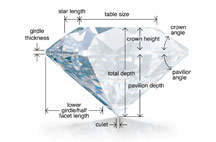
A diamond's cut (proportions, symmetry, and polish) determines how its facets reflect light.

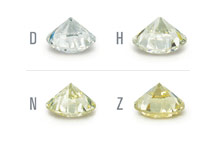
Diamond Colour
The quantity, size, relief, and location of inclusions and blemishes are evaluated using the clarity scale

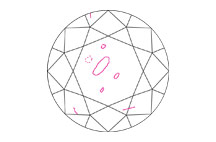
Diamond Clarity
The quantity, size, relief, and location of inclusions and blemishes are evaluated using the clarity scale.

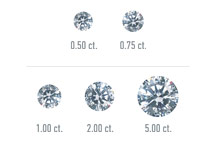
Diamond Carat Weight
Larger diamonds of the same quality that are rarer are worth more per carat.
CAPE TOWN'S MOST TRUSTED JEWELLER
Diamond Education
The 7C's of Diamonds Explained
Understanding the 7Cs of Diamonds: A Guide for Cape Town Buyers
When it comes to buying loose diamonds in Cape Town, knowledge is your most valuable asset. Whether you’re choosing a stone for a custom engagement ring or investing in a timeless piece, understanding the 4Cs of diamond quality—Cut, Colour, Clarity, and Carat—is essential. These factors determine not only the beauty and brilliance of a diamond but also its value and price.
At Prins & Prins, we believe every diamond tells a story. Our expert gemologists have guided couples for over 40 years, helping them find the perfect diamond that reflects their love and budget. Here’s everything you need to know about the 4Cs of diamonds, along with insider advice to help you choose wisely.
1. CUT – The Sparkle Factor
Of all the diamond 4Cs, Cut is arguably the most important. It refers to how well a diamond has been shaped and faceted—not its shape (like round or oval), but how skillfully it’s been crafted to reflect light. A perfectly cut diamond will sparkle brilliantly from every angle, showcasing its full beauty.
💡 Expert Tip: Choose the best cut quality your budget allows. A well-cut diamond can make even a modest carat weight look more radiant and larger than it is.
2. COLOUR – The Icy-White Scale
Diamond colour is graded from D (completely colourless) to Z (noticeable yellow or brown tint). The closer to D, the rarer and more valuable the diamond. While many diamonds appear white to the untrained eye, subtle variations in colour can influence price and visual appeal.
💡 Expert Tip: For buyers in Cape Town looking for value, diamonds in the G to I colour range often appear nearly colourless but come at a more affordable price. Always view diamonds under natural daylight to assess true colour.
3. CLARITY – Nature’s Fingerprint
Clarity refers to the presence of internal inclusions or surface blemishes. Graded from Flawless (FL) to Included (I3), clarity affects the transparency and brilliance of a diamond. While flawless diamonds are extremely rare and expensive, most inclusions are microscopic and invisible to the naked eye.
💡 Expert Tip: Consider diamonds with VS1 to SI1 clarity for excellent value—these stones often appear flawless without magnification. And always request verification that your loose diamond matches its certificate to ensure authenticity.
4. CARAT – Weight vs. Visual Size
Carat weight measures a diamond’s mass, not its size. One carat equals 200 milligrams. Two diamonds of the same carat weight can look very different depending on their cut proportions, making cut and carat deeply interrelated.
💡 Expert Tip: Bigger isn’t always better. Balance carat with cut, colour, and clarity to find the most beautiful stone within your budget. Choose a size that looks stunning on the finger and reflects your partner’s style.
5. CERTIFICATE – Your Diamond’s Identity Card
A diamond certificate is a grading report issued by a trusted gemological laboratory such as the GIA (Gemological Institute of America). This report verifies the diamond’s cut, colour, clarity, and carat, and provides a unique identification number often laser-engraved on the stone.
💡 Expert Tip: Always insist on a GIA-certified diamond. When buying loose diamonds in Cape Town, request to see the certificate and have the jeweller verify the stone matches the grading report using magnification.
6. CONFIDENCE – Trust the Source
Where you buy your diamond matters as much as the stone itself. Trust and transparency are critical when making an emotional and financial investment. A reputable jeweller will provide expert advice, allow you to compare stones, and help you make a fully informed decision.
💡 Expert Tip: Choose a diamond retailer with a long-standing reputation, experienced gemologists, and exceptional after-sales service. At Prins & Prins, our team has decades of experience helping couples find the perfect engagement diamond in Cape Town—with integrity and care.
7. COST – Value Beyond Price
Understanding diamond pricing is essential. The price of a diamond is not determined by carat weight alone but by the delicate balance of all 7 Cs. Two diamonds with identical carat weight can differ dramatically in price due to differences in cut quality, colour, and clarity.
💡 Expert Tip: Define your budget early and determine which factors matter most to you. Do you prioritise size, sparkle, or purity? Your ideal diamond should reflect both your values and your love story.
Popular Diamond Shapes
When it comes to selecting a diamond, the shape is one of the most important decisions you’ll make. Each shape has its own distinctive beauty and character, influencing both the style of the piece and how the diamond reflects light. Whether you’re shopping for an engagement ring or browsing loose diamonds to create a bespoke design, understanding the most popular diamond shapes will help you make a choice that reflects your taste and personality.
Explore the Beauty of Diamond Cuts
From the timeless brilliance of the round cut to the modern elegance of the oval or the vintage allure of the emerald cut, diamond cuts are more than just aesthetics—they’re a reflection of emotion, style, and symbolism. The shape of a diamond affects not only its sparkle but also how it appears on the hand, with some cuts offering a slimming effect or making the diamond look larger than its carat weight. Knowing what each shape offers can help you choose the perfect diamond shape for your special moment.
Choose the Perfect Diamond Shape for You
Whether you’re drawn to the classic round brilliant, the elongated elegance of the pear and marquise, or the clean lines of an emerald or princess cut, the right diamond shape should speak to your heart. At Prins & Prins, we guide you through the most popular diamond shapes with expert advice and hand-selected stones to suit your vision. Discover a cut that complements your style—and transforms your jewellery into something truly unforgettable.

Round Brilliant Cut Diamond
This round shape has long been a classic for engagement rings. It can be set as a solitaire or surrounded by a halo of diamonds. Or it can be flanked by smaller diamonds

Marquise brilliant Cut Diamond
This elegant, regal shape provides the illusion of length—ideal for a broad finger.

Oval brilliant cut Diamond
The oval is an elongated round shape and the favourite of royalty

Pear Brilliant cut Diamond
The pear-shaped diamond has the brilliance of a round but is beautifully a-symmetric.

Princess Cut Diamond
This square shape has a modern presence when set in a ring.

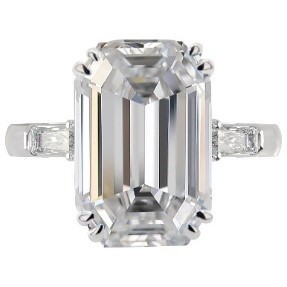
Emerald Cut Diamond
This octagonal cut diamond has large step cut facets that give it an art deco appearance.

Radiant Cut Diamond
The Radiant cut was developed in South Africa and has cut corners and a unique facet pattern. It is a combination of the emerald and brilliant cut.

Cushion Cut Diamond
This cut resembles a pillow with rounded corners, predates most other modern cuts, and provides a more vintage look.

Options for a Centre Stone.
If you like size and colour and have a limited budget, why not consider the second hardest gemstone after diamond as an engagement stone? Natural sapphire comes in all colours, while natural ruby is available in shades of red and looks terrific with a diamond halo or side stones.
FAQ about Diamonds – Questions and Answers
What is a diamond?
A diamond is one of Earth’s most extraordinary natural treasures, formed billions of years ago deep within the mantle and brought to the surface by volcanic eruptions. These precious gemstones are renowned for their unmatched brilliance and hardness. Lab-grown diamonds, by contrast, are man-made in high-tech facilities and must always be disclosed as such. At Prins & Prins, we specialize in sourcing natural diamonds with traceable origins.
Are diamonds rare?
While millions of carats are mined each year, only about 1% of these diamonds meet the strict standards to be classified as gem-quality natural diamonds. Truly rare are diamonds that are not only transparent and well-cut but also ethically sourced, like those available at Prins & Prins
What makes a Prins & Prins diamond special?
Every Prins & Prins diamond is hand-selected by our qualified gemmologists for its quality, cut, and ethical origin. We source conflict-free diamonds directly from trusted mines and cutting houses in South Africa, Botswana, and Namibia, bypassing middlemen to ensure value and integrity. Each diamond is certified by GIA or EGL (SA) and expertly set by our award-winning goldsmiths into custom designs crafted with love.
What is a conflict-free diamond, and does Prins & Prins support ethical sourcing?
A conflict-free diamond is one that has not financed civil war, terrorism, or human rights abuses. At Prins & Prins, we maintain a zero-tolerance policy towards conflict diamonds and are committed to responsible sourcing. Our diamonds are vetted to meet the highest ethical standards, in compliance with United Nations regulations.
What is the difference between natural and lab-grown diamonds?
Natural diamonds are geological marvels, formed under extreme pressure over billions of years beneath the Earth’s surface. In contrast, lab-grown diamonds are created in weeks using technological processes that replicate natural conditions. While visually similar, natural diamonds often contain slight nitrogen traces and unique inclusions that distinguish them. At Prins & Prins, we offer only certified natural diamonds for those who seek a timeless and authentic gem.
Does Prins & Prins offer ethically sourced and eco-conscious diamonds?
Absolutely. We pride ourselves on offering ethically sourced diamonds and eco-conscious alternatives, including pre-owned (eco) diamonds with a verified provenance. These stones have a lower carbon footprint and are thoroughly assessed by our expert gemmologists before resale.
Where do Prins & Prins diamonds come from?
Our natural diamonds are responsibly sourced from local cutting factories and divers along the Atlantic Coast. We also acquire pre-owned diamonds from private sellers, ensuring their authenticity and condition. Each stone is individually selected and certified for quality and ethical compliance.
What diamond shape looks the largest?
Certain shapes, such as oval, marquise, and emerald-cut diamonds, offer a larger visual appearance compared to round diamonds of the same carat weight. This makes them a popular choice for those wanting maximum sparkle and size in their engagement ring without exceeding their budget.
What determines the price of a natural diamond?
A natural diamond’s value is primarily based on the 4 Cs: carat weight, colour, clarity, and cut. However, modern pricing also considers factors such as fluorescence, symmetry, polish, and light performance. At Prins & Prins, we provide expert guidance to help you select the perfect diamond that balances brilliance, rarity, and budget.
How much does an engagement diamond cost in South Africa?
The price of an engagement diamond in South Africa varies greatly, starting from around R5,000 and going into the hundreds of thousands. Most couples spend between R20,000 and R100,000 on their ring. With custom-designed engagement rings from Prins & Prins, you can create a one-of-a-kind masterpiece that suits your style and budget without compromising on quality.