Topaz: A Gem of Many Colours, Origins, Symbolism & Jewellery Care
From ancient legends to modern luxury, topaz has enchanted gem lovers for centuries. Known for its dazzling colours, from the fiery glow of imperial topaz to the serene blues of treated varieties, topaz remains one of the most versatile and accessible gemstones in fine jewellery. In this article, we explore its fascinating origins, colour variations, cultural symbolism, and tips for caring for your topaz jewellery.
The Origins of Topaz: Nature’s Colourful Treasure
Topaz forms deep within the Earth’s crust, crystallising in igneous rocks such as pegmatites and rhyolites. Over time, geological forces push these crystals toward the surface, where they are mined and eventually transformed into breathtaking gemstones.
Historically, the word “topaz” was applied to many yellow gemstones, but today, it refers specifically to the mineral fluoro-silicate of aluminium (Al₂SiO₄(F,OH)₂). The name is thought to derive from “Topazios,” the ancient Greek name for St. John’s Island in the Red Sea, although the stones mined there were likely not topaz at all [GIA, 2024].
Major sources of topaz include:
Brazil, the world’s most significant source, especially for imperial and colourless topaz
Sri Lanka, known for pale yellow and pink varieties
Russia, home to imperial topaz deposits in the Ural Mountains
Pakistan and Afghanistan, producers of pinkish-orange topaz
United States, notable deposits in Utah and Texas
A Kaleidoscope of Colour: Imperial to Sky Blue
Topaz occurs in a stunning range of natural colours, from golden yellows to pale blues and even pinks. However, colourless topaz is the most common variety, and often treated to enhance or change its appearance.
Popular Types of Topaz:
Imperial Topaz, A rare orange-to-pink variety found mainly in Brazil. Its name reflects its connection to Russian royalty.
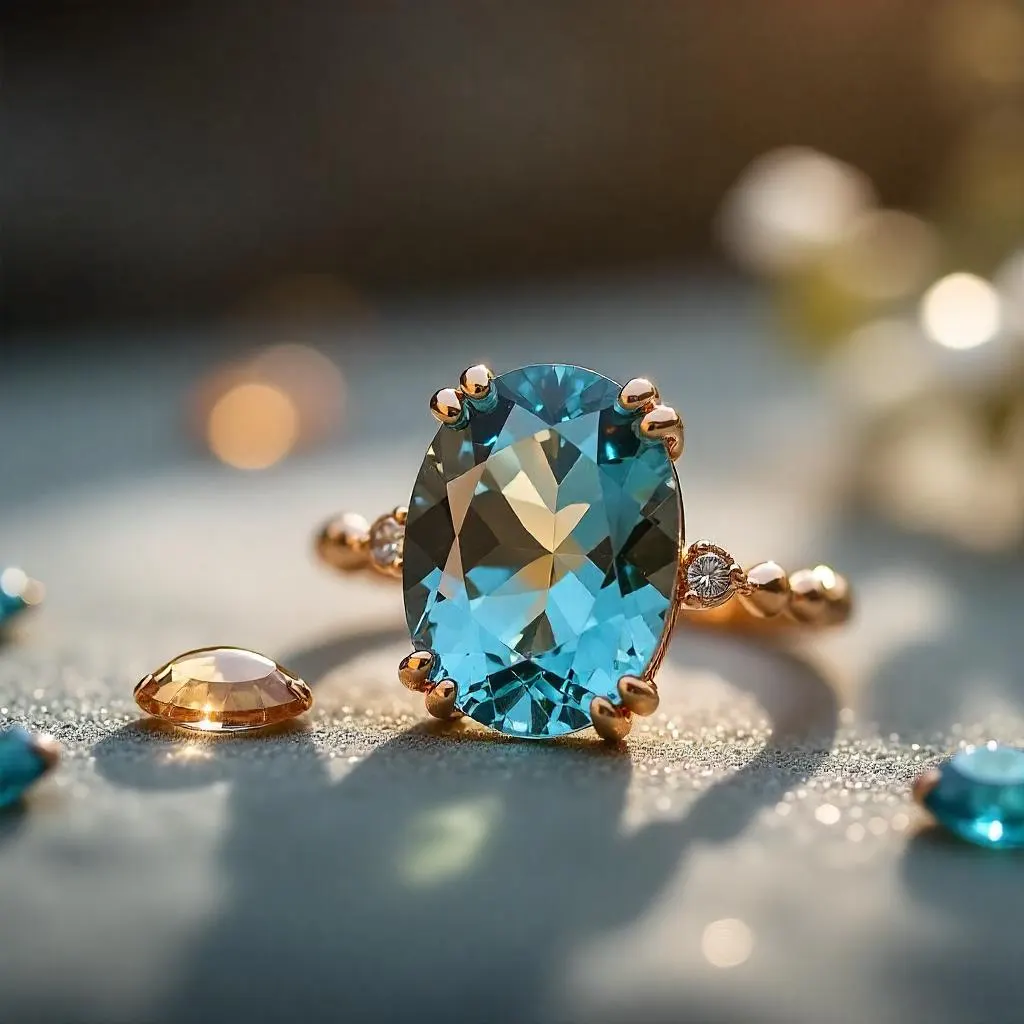
Blue Topaz, Almost always the result of treatment (irradiation followed by heat) applied to colourless topaz. Shades range from Sky Blue to London Blue, with deeper tones being more popular in modern jewellery.
Mystic Topaz, A treated gemstone with a rainbow-like iridescence, created by applying a thin coating to colourless topaz.
Natural pink, red, and sherry-coloured topaz are extremely rare and command high prices among collectors and designers alike.
“Topaz’s vibrant colours, durability, and affordability make it one of the most popular gemstones worldwide.”, Gemological Institute of America (GIA), 2024
Symbolism and Lore: The November Birthstone
Topaz has been revered throughout history for its supposed metaphysical properties. In ancient Egypt, it was associated with the sun god Ra and believed to bring protection and healing. The Romans thought topaz could improve eyesight and mental clarity, while in the Middle Ages, it was worn as a talisman to ward off evil spirits.
Today, topaz is recognised as the birthstone for November, symbolising love, affection, and fidelity. Blue topaz is also commonly associated with December, offering versatility in personal and sentimental jewellery choices.
Topaz in Fine Jewellery: Style Meets Sophistication
Thanks to its clarity and high brilliance, topaz is a popular choice for statement jewellery, including cocktail rings, pendants, and chandelier earrings. While imperial and natural-colour topaz gemstones are prized for bespoke luxury pieces, treated blue topaz offers an affordable entry point into fine jewellery with a vibrant impact.
At Prins & Prins, we often incorporate imperial and blue topaz into our custom-designed rings and necklaces. The gemstone pairs beautifully with white or rose gold and stands out against diamond accents. Whether you’re celebrating a birthday, an anniversary, or simply indulging in timeless elegance, topaz delivers beauty and meaning.
How to Care for Topaz Jewellery
Topaz ranks 8 on the Mohs scale of hardness, making it a fairly durable gemstone. However, it has a perfect cleavage, meaning it can split or crack if struck sharply, especially along internal crystal planes.
Care Tips:
Avoid knocks and drops: Do not wear topaz jewellery during sports, gardening, or other hands-on activities.
Keep away from heat and light: Prolonged exposure may cause colour fading, particularly in treated or coated stones.
Clean gently: Use warm, soapy water and a soft brush. Avoid ultrasonic and steam cleaners.
Store separately: Prevent scratches by storing in a soft pouch or a jewellery box with individual compartments.
With proper care, topaz can last a lifetime, becoming a treasured heirloom or a meaningful gift for generations to come.
Conclusion: A Gem for Every Taste
Whether you’re drawn to the luxury of imperial topaz, the cool tranquillity of blue topaz, or the symbolic heritage of this timeless gem, topaz offers something for everyone. At Prins & Prins, we celebrate gemstones with both historical significance and contemporary appeal, and topaz fits both categories perfectly.
Visit our Cape Town showroom or browse our online collection to explore bespoke topaz jewellery handcrafted to reflect your personal style and story.
Sources:
Gemological Institute of America (GIA). Topaz
American Gem Society. Topaz Facts
International Gem Society (IGS). Topaz Value, Price, and Jewelry Information
Written by Stacey
Continue your reading.
Insuring and Caring for Your Engagement Ring in South Africa
How to insure an engagement ring in South Africa, why you need a proper valuation, what a policy should cover, and how to keep your ring sparkling.
Read article
Jewellery Insurance
Crime targeting valuables remains a reality in many countries. Jewellery, firearms, and other high-value items are frequently targeted, making appropriate
Read article
How to Read a GIA Certificate: Verifying Your Diamond’s Identity
A diamond’s brilliance is more than what meets the eye, it’s verified
Read article