How Scarcity Affects the Value of Natural Diamonds
There is something profoundly captivating about rarity. Whether it’s a fine artwork, an ancient coin, or a rare gemstone, scarcity has always shaped human desire, and with it, value. Nowhere is this more apparent than in the world of natural diamonds.
Every natural diamond is a geological miracle, formed billions of years ago deep within the Earth and brought to the surface by forces that may never occur again. This incredible rarity, combined with human craftsmanship and enduring cultural meaning, gives each natural diamond its timeless allure and lasting worth.
At Prins & Prins Diamonds in Cape Town, the relationship between rarity and value lies at the heart of everything we do. To understand why natural diamonds are so sought after, and why their value continues to rise, one must first appreciate how true scarcity is born.
Nature’s Masterpiece: The Geological Rarity of Diamonds
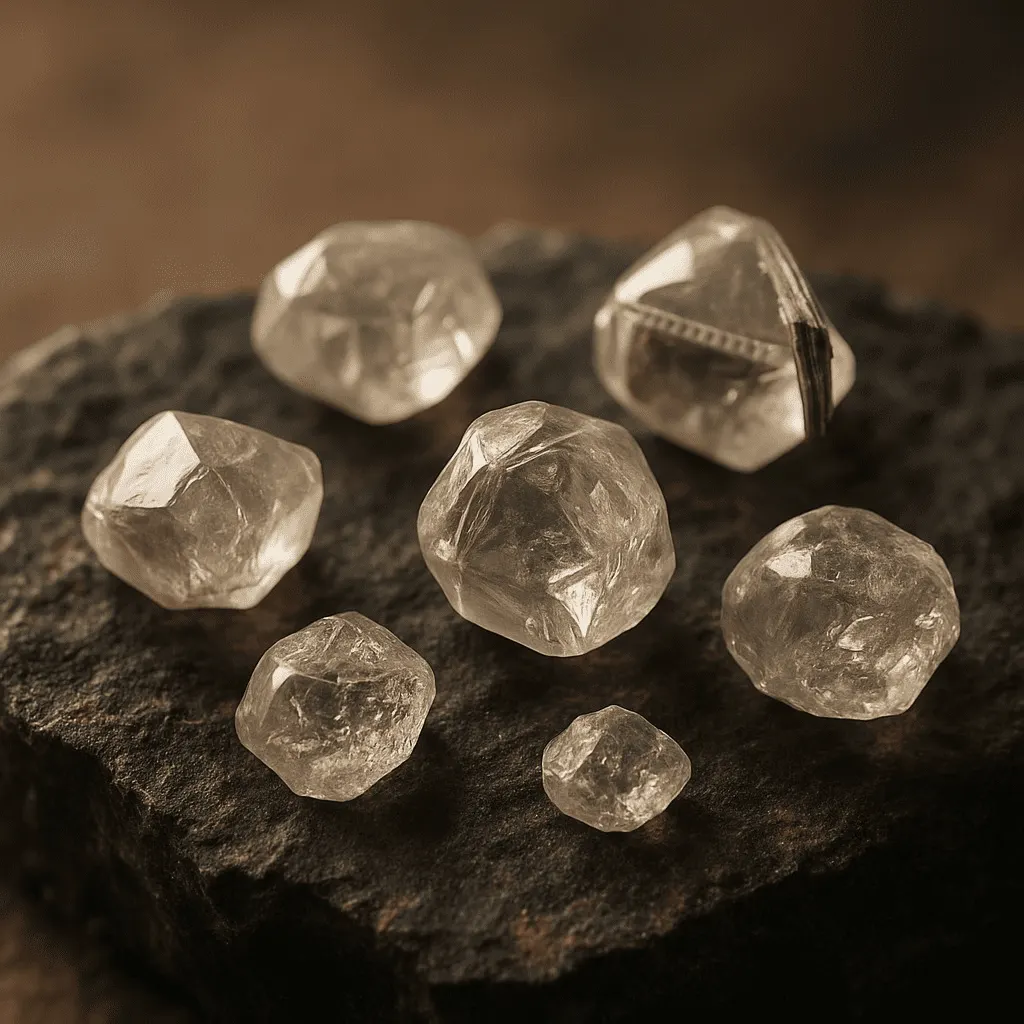
Natural diamonds are among the oldest and rarest materials on Earth. Formed between 1 and 3 billion years ago, they originate in the Earth’s mantle under conditions of immense pressure and temperature that exist only 150 to 200 kilometres below the surface.
These conditions are extraordinarily rare in nature, which is why diamonds are not found everywhere. When volcanic activity carried these ancient crystals upward through kimberlite pipes, only a small fraction survived the journey intact. Fewer still possessed the clarity, brilliance, and durability required to become gem-quality diamonds.
Each natural diamond, therefore, represents an almost unimaginable story of creation. The rarity begins at its very origin, long before it reaches the jeweller’s bench or a client’s hand.
It is this geological exclusivity that underpins the enduring value of natural diamonds: they are finite, natural, and utterly unique, shaped by time and the Earth itself.
From Mine to Market, The Economics of Scarcity
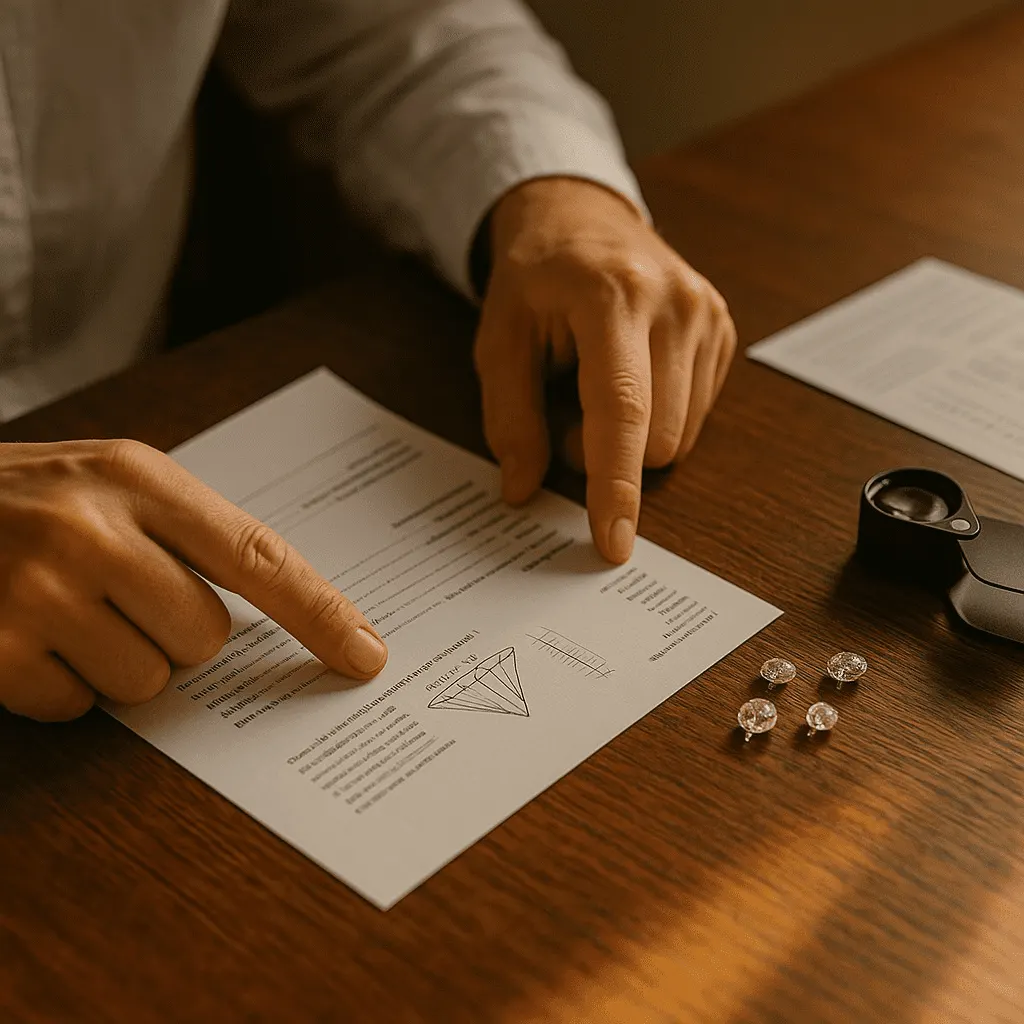
The rarity of natural diamonds extends far beyond their geological formation. Over the past few decades, many of the world’s most productive diamond mines have reached maturity. New discoveries are rare, and those that do occur are typically smaller and more challenging to access.
At the same time, environmental and ethical regulations have rightly become stricter, further limiting large-scale extraction. This ensures responsible sourcing but also means fewer diamonds entering the global market each year.
In contrast, synthetic or lab-grown diamonds are now widely available, yet they cannot replicate the natural origin or finite rarity that define genuine diamonds. While laboratory technology can mimic a diamond’s appearance, it cannot reproduce the passage of time or the conditions that make natural diamonds a true wonder of geology.
Scarcity, authenticity, and certification remain the cornerstones of real value. That is why collectors, investors, and discerning buyers continue to seek natural, earth-formed diamonds, treasures that no machine can truly replace.
👉 Explore our curated selection ofCertified Diamonds Cape Town, each with verifiable provenance and gemmological certification for complete confidence.
Supply and Demand, The Invisible Balance
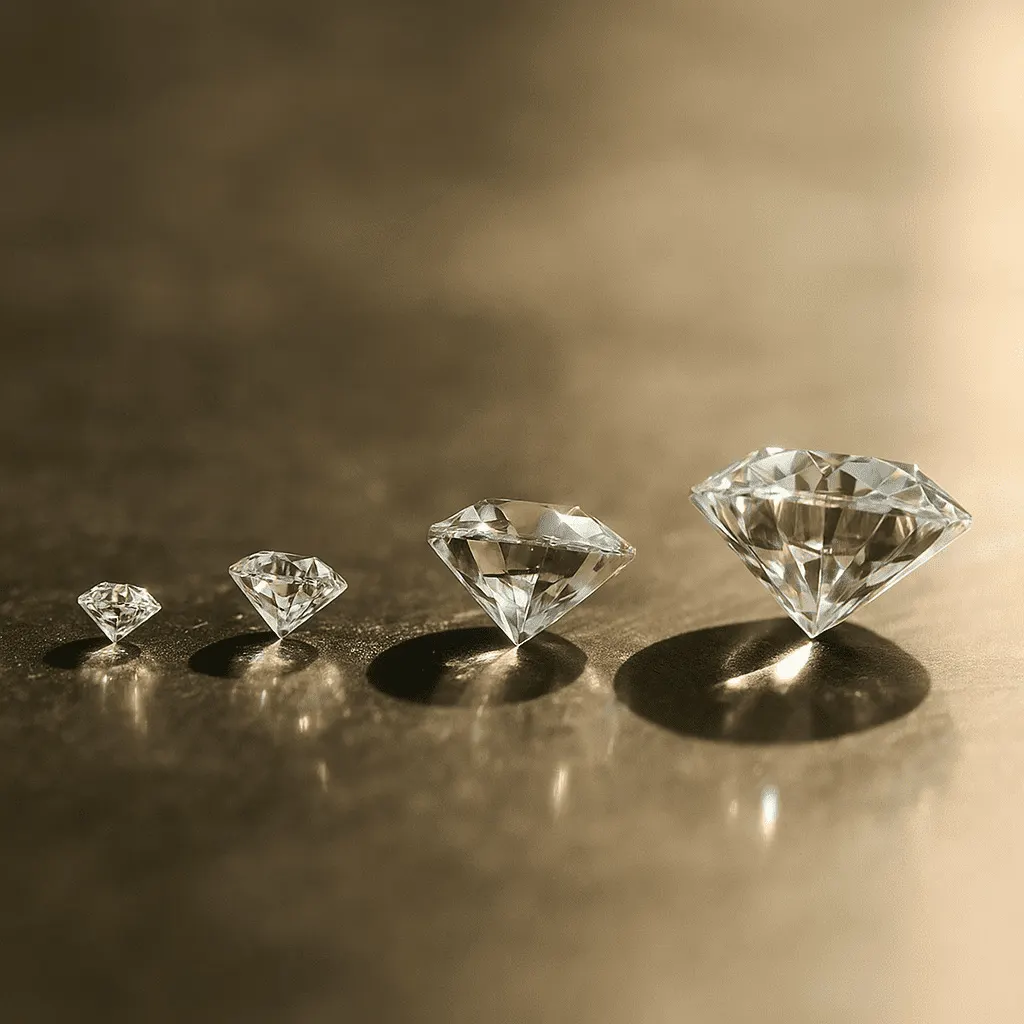
Like all rare commodities, diamond value is governed by supply and demand, and in the case of natural diamonds, the two have diverged dramatically.
On one hand, global supply is steadily decreasing as older mines close and new sources prove elusive. On the other, demand continues to grow across established and emerging markets.
The result is an economic balance that firmly supports long-term value. Large, high-quality diamonds above two carats are especially rare, commanding exceptional prices not just for their beauty but for their statistical scarcity.
Unlike many luxury goods, natural diamonds do not depreciate with time. They retain, and often increase, their worth across generations. This stability, combined with emotional and aesthetic value, makes natural diamonds both an heirloom and a store of enduring wealth.
Certification and Provenance, Proof of Rarity
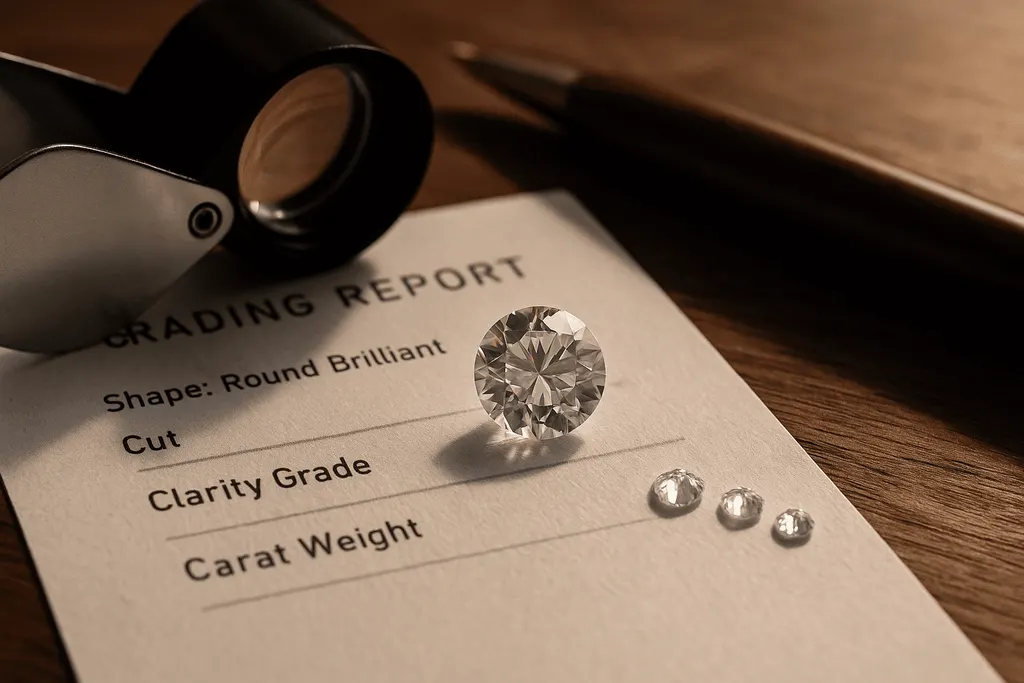
In an age where imitation is common, proof of authenticity has become essential. A diamond’s certification is more than just documentation, it is a scientific record of its natural origin, cut, colour, clarity, and carat weight.
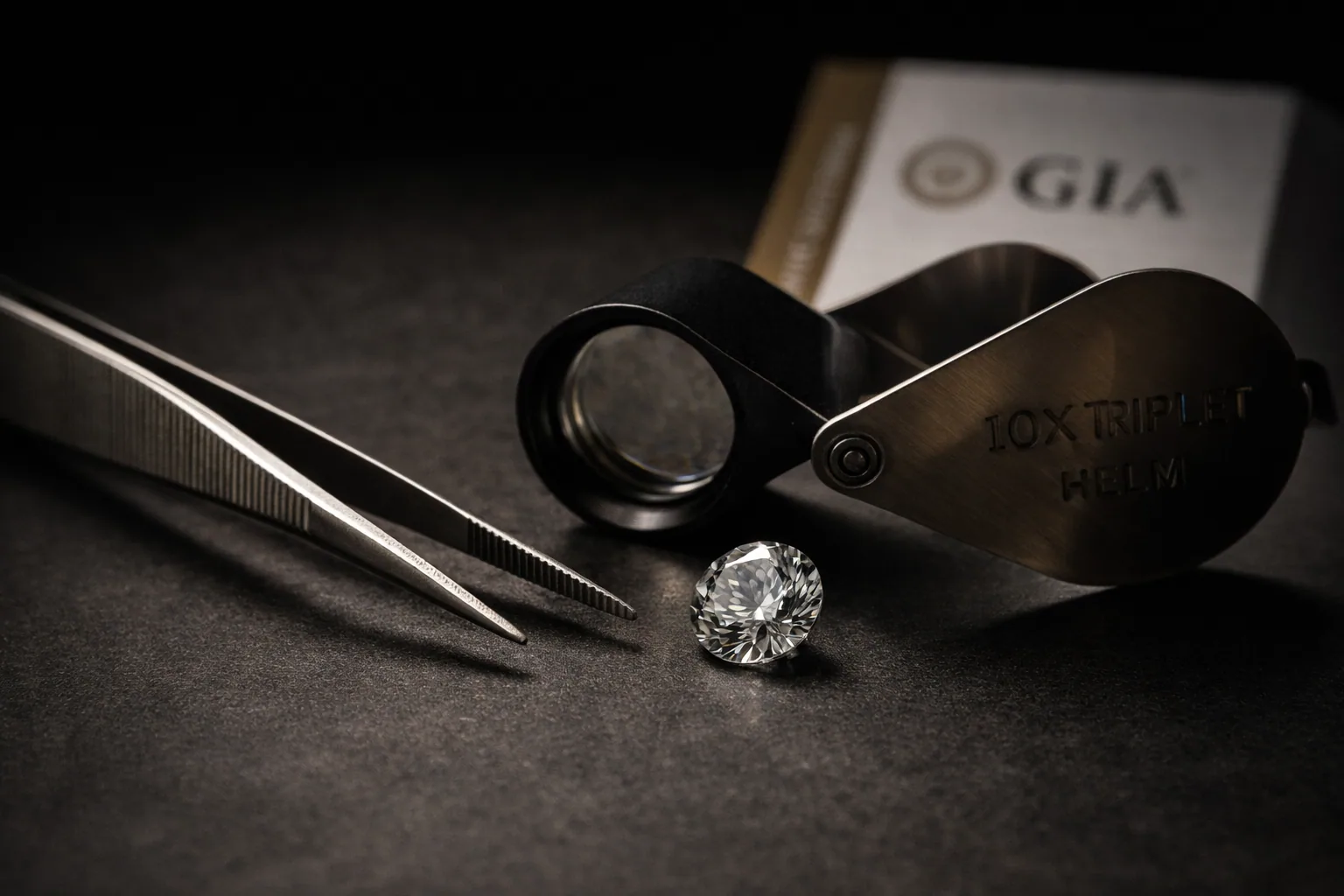
At Prins & Prins, every diamond we present undergoes independent grading through reputable laboratories such as GIA or EGL. These certificates provide verifiable assurance that each gem is both natural and ethically sourced.
Provenance plays an equally vital role. Knowing where a diamond comes from, and the journey it has taken from mine to workshop, adds immeasurable value. It transforms a diamond from a beautiful object into a documented heirloom with history and integrity.
Our gemmologists and master jewellers combine this transparency with artistry, crafting pieces that embody both rarity and meaning.
👉 Discover how natural beauty meets craftsmanship in our collection ofBespoke Diamond Jewellery, each creation designed and set within our heritage atelier in Huguenot House.
The Emotional Economy of Rarity
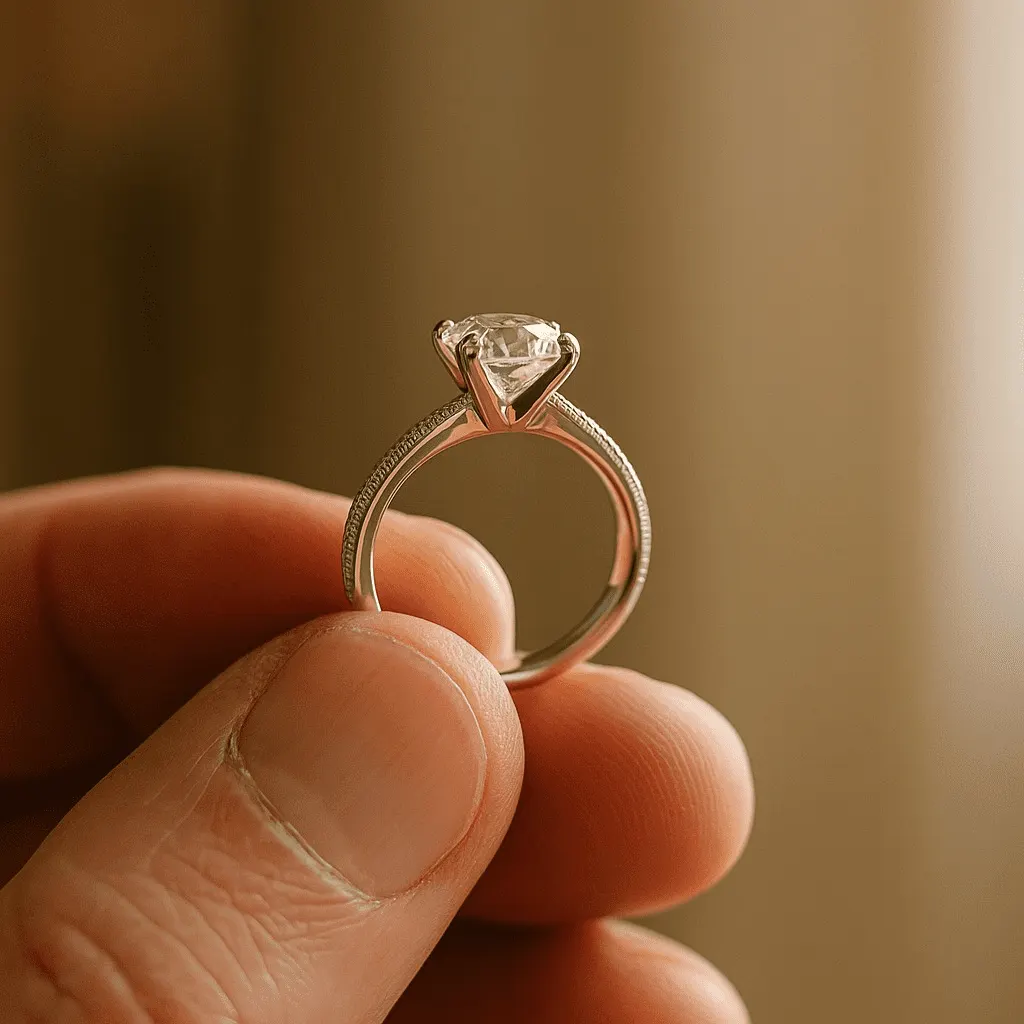
Beyond geology and economics lies another, more human layer of value, emotion. Diamonds have symbolised love, achievement, and permanence for centuries precisely because they are rare.
Scarcity gives emotional weight to possession. To give or wear a natural diamond is to celebrate something that cannot be replicated: a one-of-a-kind creation of the Earth, chosen and cherished by hand.
When that diamond is set in a custom design by a master goldsmith, it becomes even more personal, a fusion of natural and human artistry. Each facet reflects both time and intention.
This emotional connection cannot be manufactured. It is what transforms a diamond from a commodity into a legacy.
Rarity in Decline, A Future Perspective
As global supply diminishes, the rarity of natural diamonds will continue to deepen. Industry data suggests that many of the largest mines, from Botswana to Canada, are nearing the end of their productive life. With fewer deposits being discovered, the number of new natural diamonds entering the market is expected to decline significantly over the next decade.
This scarcity reinforces their long-term value, not only as luxury adornments but as tangible assets tied to nature’s own limitations. Unlike synthetic diamonds, which can be reproduced indefinitely, natural diamonds are truly finite, their creation ceased millions of years ago.
In this sense, every natural diamond sold today is part of a shrinking geological legacy. Once they are mined and set, there will be no more like them. That is the very definition of precious.
A Legacy Worth Preserving
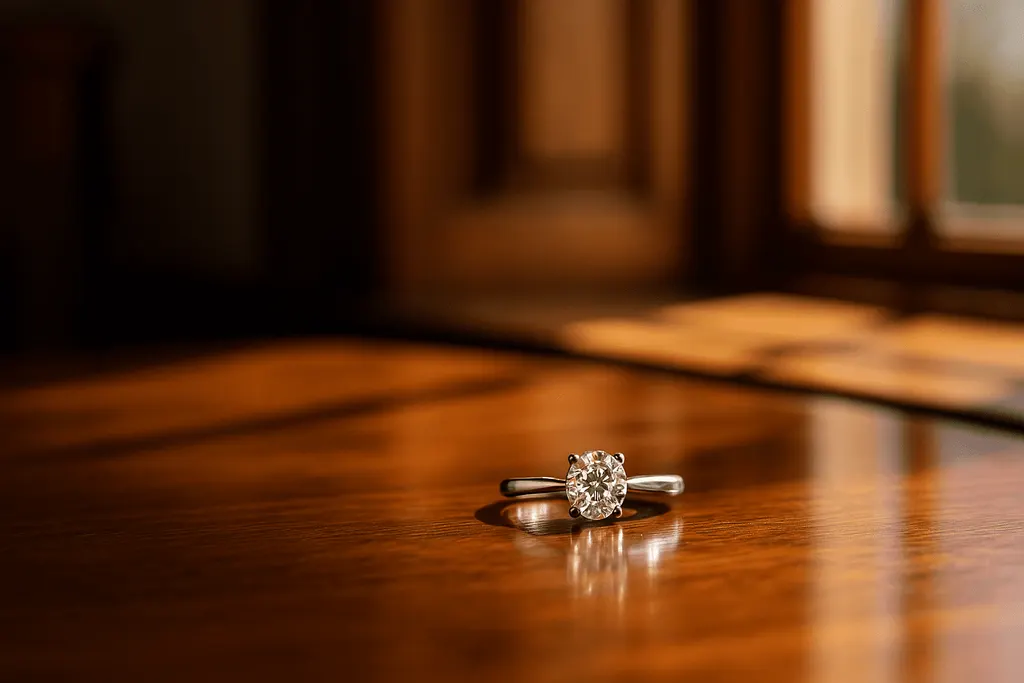
Within the historic walls of Huguenot House in Cape Town, the artisans of Prins & Prins continue to uphold this legacy, selecting, grading, and crafting natural diamonds that embody beauty, integrity, and truth.
Our gemmologists understand that rarity is not merely a marketing term; it is a natural fact, born from time and preserved through skill. Each certified diamond represents more than a purchase, it is a connection to the Earth’s deep past and a promise for the future.
As global resources dwindle and trends come and go, the appeal of natural diamonds remains constant. Their worth is anchored in what no human can reproduce: geological time, elemental force, and the enduring rarity of creation itself.
Because when something cannot be made again, its value can only grow.
Written by Stacey
Continue your reading.
How to Avoid Diamond Scams: 10 Red Flags to Know
A Cape Town gemmologist guide to spotting diamond scams: fake certificates, treated stones, dodgy pricing and the ten red flags that give a con away.
Read article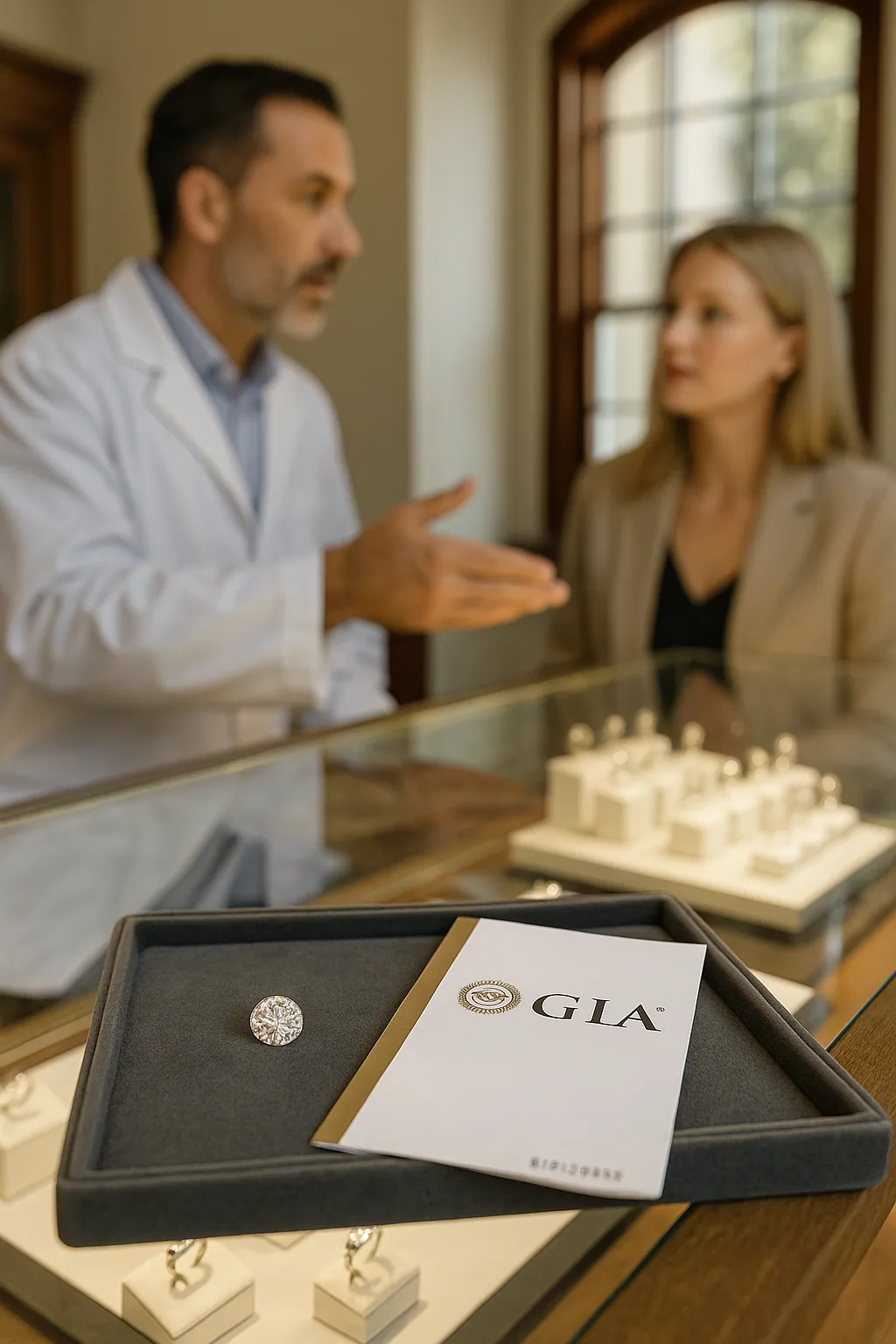
Diamond Certificates Explained: GIA, EGL and More
What a diamond certificate really tells you, how the GIA, the EGL and other laboratories differ, and how to read a grading report before you buy.
Read article
Why Major Auction Houses Reject Lab-Grown Diamonds
As lab-grown diamonds flood the market, their value continues to fall, and the world’s leading auction houses have taken notice. In this article, Dr Petré Prins explains why Christie’s and Sotheby’s refuse to accept lab-grown diamonds, what this means for long-term value, and why natural diamonds remain the only choice for collectors, investors and those se
Read article