101 Unique Features of Diamonds – Part 3
In this third instalment of our educational series on the fascinating properties of diamonds, we explore features numbered 39 to 51. These facts highlight the remarkable physical, thermal, optical, and scientific characteristics that set natural diamonds apart from all other materials.
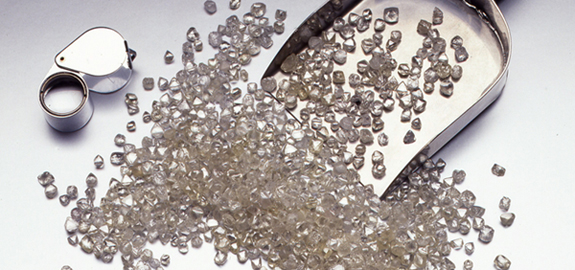
- A diamond is, by weight, one of the most valuable natural materials known, yet it is composed of carbon, one of the most abundant elements on Earth.
- In 1980, William Goldberg paid approximately US$1 million for a 0.96ct red diamond, making it one of the most valuable materials per weight ever sold.
- In the absence of oxygen, diamond will melt at approximately 6,900 °C, around two-and-a-half times the melting point of steel.
- In the presence of oxygen, diamond will burn with a blue flame at approximately 950 °C and convert into carbon dioxide gas.
- If a house burns down completely, the only remains of diamond jewellery may be a molten lump of metal from the setting.
- If the temperature during a fire is not sufficiently high, diamonds may survive but can develop a soft white surface layer, which can often be polished away.
- Diamonds feel cold to the touch because they conduct heat extremely well, approximately four times more efficiently than copper.
- Diamond testing instruments, also known as thermal conductivity testers, rely on this high heat conductivity to distinguish diamonds from cubic zirconia and other colourless gemstones.
- Diamonds are poor conductors of electricity because their crystal structure contains no free electrons; all electrons are tightly bonded, contributing to diamond’s exceptional hardness.
- The atmosphere of Venus was first analysed through a diamond window on a United States spacecraft, as diamond was the only material strong and transparent enough to withstand the conditions.
- Diamonds may fluoresce in blue, green, or yellow when exposed to ultraviolet light.
- Some diamonds also exhibit phosphorescence, continuing to glow faintly after the ultraviolet light source has been removed.
- The phosphorescence of laboratory-grown diamonds differs from that of natural diamonds, a property that can be used to distinguish between them.
Readers are encouraged to follow the full 101 Unique Features of Diamonds series for further insights into the extraordinary nature of natural diamonds.